What are my rights as a protester? Know what you can — and can’t — do in California
Thousands of demonstrators have taken to the streets of Los Angeles, Sacramento and other cities across California to protest immigration enforcement operations.
Others are preparing for statewide “No Kings” protests across California to rally against President Donald Trump and his administration’s policies.
If you’re planning to participate in a protest, it’s important to know what you can — and can’t — do under California law.
Here’s what to know about your rights:
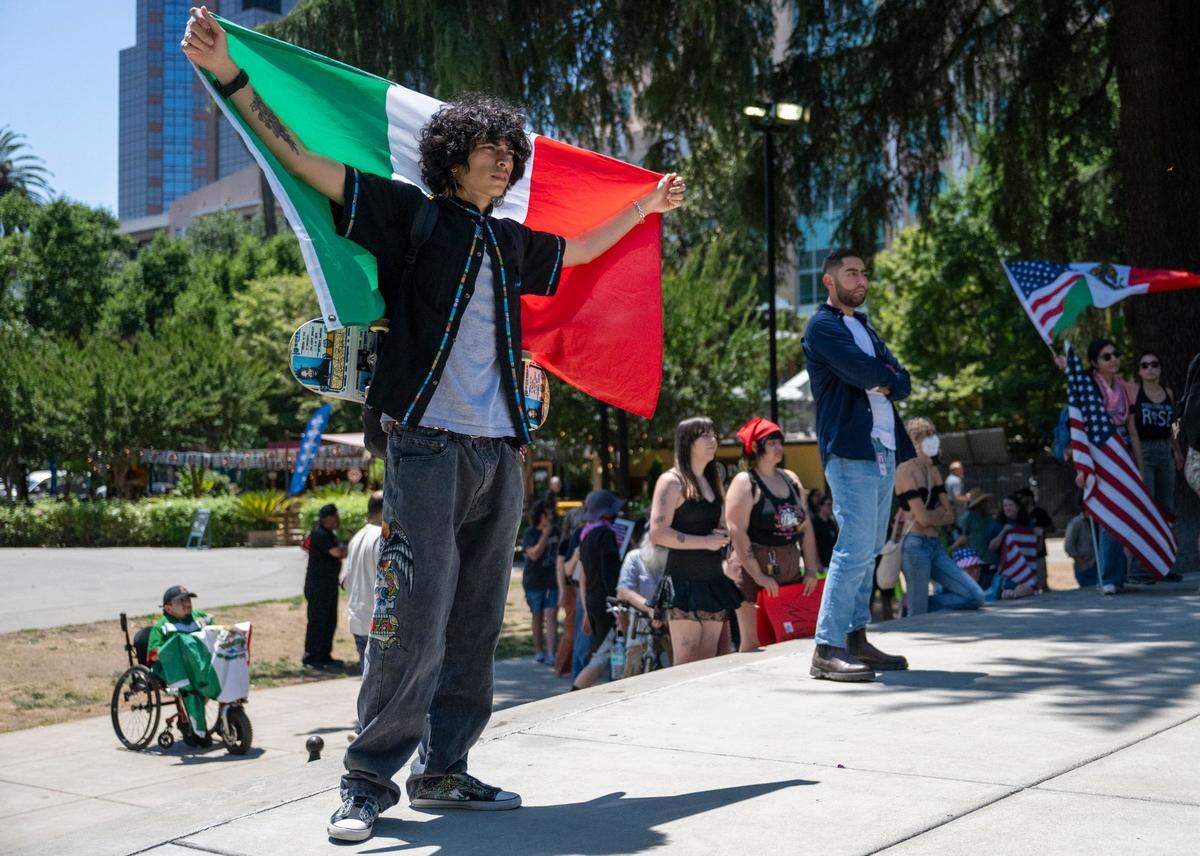
Where can I legally protest in California?
According to the American Civil Liberties Union of Northern California, the First Amendment protects your right to organize a protest, express your opinion and take pictures of events while on public property.
Public property includes streets, sidewalks and parks.
“You don’t need a permit to march in the streets or on sidewalks, as long as marchers don’t obstruct car or pedestrian traffic,” the civil rights organization said.
If your rally is in response to breaking news, the American Civil Liberties Union said, police cannot deny a permit to protest simply because you did not apply early enough.
“A permit cannot be denied because the event is controversial or will express unpopular views,” the organization said. “If the permit regulations that apply to your protest require a fee for a permit, they should allow a waiver for those who cannot afford the charge.”
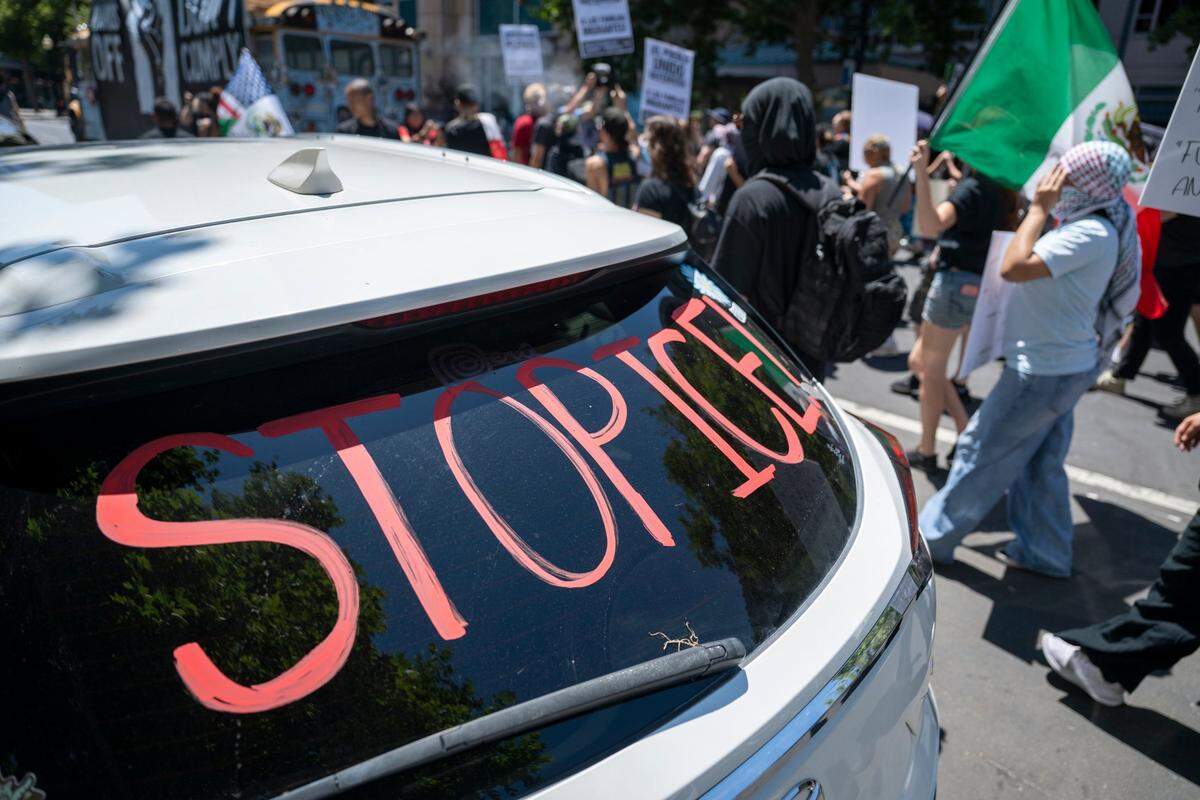
What are your rights while protesting?
“The First Amendment and the California Constitution protects your right to expressive speech,” Chessie Thacher, a senior staff attorney at the American Civil Liberties Union of Northern California, previously told The Sacramento Bee.
“That means that you have the right to say what you want to say, but with exceptions,” Thacher said.
These exceptions include true threats, defamation, harassment and obscenities.
If you’re in a public space, you have the right to take photos or videos of anything you can see.
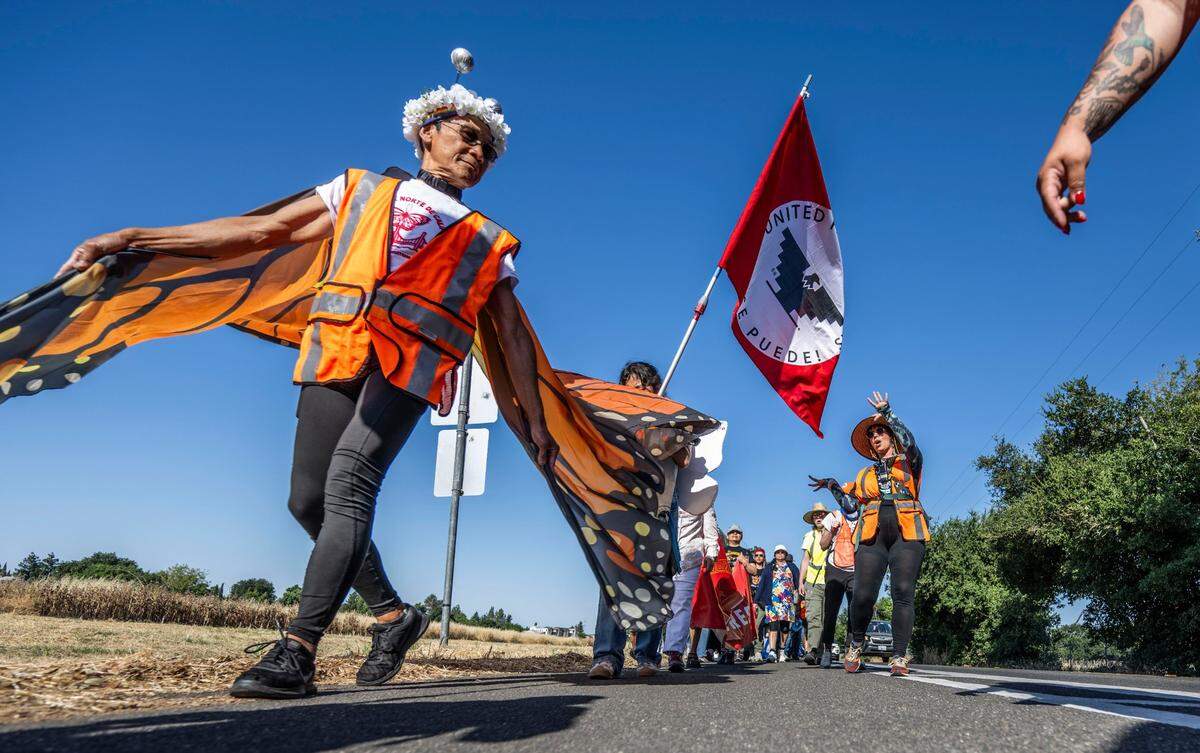
Can I protest on private property?
Free speech activity is typically not allowed on private property without the property owner’s consent, according to the American Civil Liberties Union of Northern California.
“Private property owners can set rules for speech on their property,” the organization said. “The government may not restrict your speech if it is taking place on your own property or with the consent of the property owner.”
However, the property owner can set rules related to photography and videos if you are protesting on private property.
Are counterprotests allowed?
According to the American Civil Liberties Union of Northern California, those who show up to protest a protest also have rights.
“Police must treat protesters and counterprotesters equally,” the organization said.
Police are allowed to keep opposing groups apart to prevent conflict, but both sides still have the right to be within sight and hearing distance of each other.
When can police interfere with protests?
When protesters fail to comply with legal restrictions, such as evoking violence, law enforcement can intervene, the ACLU website says.
“Civil disobedience is a public, nonviolent, conscientious yet political act contrary to law, usually aimed at bringing about a change of the law or government policy,” as defined by the U.S. Department of Justice.
However, “civil disobedience is not protected speech under the Constitution,” according to the University of California, Los Angeles Police Department.
An act of civil disobedience includes sitting on a public road to block traffic. It can be a successful tool in non-violent action, experts say.
What can I do if my rights were violated?
Here’s what the ACLU website says to do if you feel your rights have been violated during a protest:
▪ Write down everything you can remember, including officers’ badge numbers and what agency they work for.
▪ Get contact information from any witnesses.
▪ Take pictures.
“Once you have all of this information, you can file a written complaint with the agency’s internal affairs division or civilian complaint board,” the American Civil Liberties Union said.
How can I successfully protest?
Margaret Russell, a professor at the Santa Clara University of Law who specializes in civil human rights, previously told The Bee that peaceful and non-violent approaches to protesting can prove successful.
“Peaceful protests with clearly stated messages and disciplined expression are often the most effective,” Russell said. “They convey their points of view without threat harassment, or enmity.”
Some examples of successful protests that have proved to be effective in pushing change include chanting, marching, carrying signs, singing, silence, linking arms or holding hands with allies, Russell said.
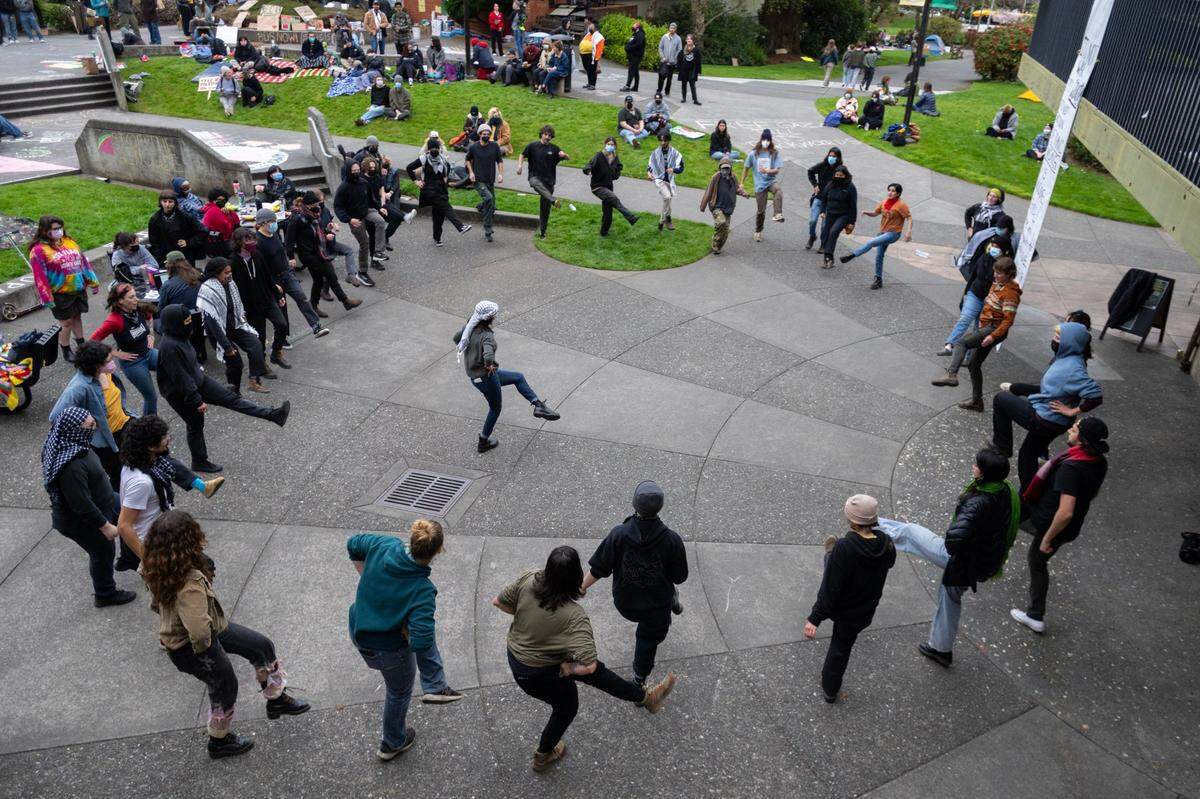
“It is counterproductive to engage in any acts of violence, harassment, ridicule or hate,” she said.
To enact change, Russell said, “Peaceful protest and civil disobedience are two valuable tools” for protesters.
“So are ways of ‘working through the system’ such as running for office, serving on committees, engaging in respectful dialogue, and trying to talk across differences,” she wrote.
This story was originally published June 11, 2025 at 5:00 AM with the headline "What are my rights as a protester? Know what you can — and can’t — do in California."