
How effective is the flu vaccine amid California ‘quad-demic’? Is it too late to get shots?
Flu cases are high in California with respiratory virus season in full swing.
About 20% of tests for influenza came back as positive in California for the week of Dec. 29 to Jan. 4, according to the California Department of Public Health. That’s down 1.9% from the previous week
A total of 196 people have died this season due to influenza, the state health department said.
Influenza season typically peaks somewhere between December and February, according to Dr. Dean Blumberg, chief of UC Davis Health’s Division of Pediatric Infectious Diseases.
Is it too late to get vaccinated against influenza? How effective is the flu vaccine?
Here’s what to know:

What is influenza? How many flu strains are there?
Infuenza, commonly known as the flu, is a contagious respiratory illness caused by “viruses that infect the nose, throat and sometimes the lungs,” according to the Centers for Disease Control and Prevention.
“It can cause mild to severe illness, and at times can lead to death,” the federal agency said on its website.
There are four different strains of influenza viruses: A, B, C and D.
Only one flu strain — influenza A — is known to cause global epidemics of disease, the CDC said
“Pandemics can happen when a different and new influenza A virus infects people and spreads easily among populations,” pharmaceutical company Pfizer said on its website.
How contagious is the flu? How is it spread?
The flu is highly contagious, according to the CDC.
The disease is spread mainly by droplets made when people with flu cough, sneeze, or talk.
These droplets can land in the mouths or noses of nearby people or be inhaled into the lungs.
People can also get the flu by touching a surface or object that has influenza virus on it and then touching their mouths, noses or eyes, the CDC said, although that’s less common.
People with flu are most contagious during the first three days of their illness, according to the CDC.
What are common flu symptoms?
Symptoms typically begin about two days after influenza viruses infect a person’s respiratory tract, the CDC said.
According to the CDC, common flu symptoms include:
- Fever or feeling feverish/ chills
- Cough
- Sore throat
- Runny or stuffy nose
- Muscles or body aches
- Headaches
- Fatigue (tiredness)
Although some flu patients experience vomiting or diarrhea, it is more common to see this symptom in children, the CDC said
It’s important to note that not everyone with flu will have a fever the CDC said.
Why should I get vaccinated against the flu?
Blumberg recommends getting vaccinated against the flu as an extra precaution.
Anybody can get the flu, according to Blumberg.
Children under the age of 5 and people over 65 years old are particularly susceptible to the disease, he said.
As of Dec. 21, 144.6 million doses of flu vaccine had been distributed in the United States for the 2024–25 season, according to the CDC.
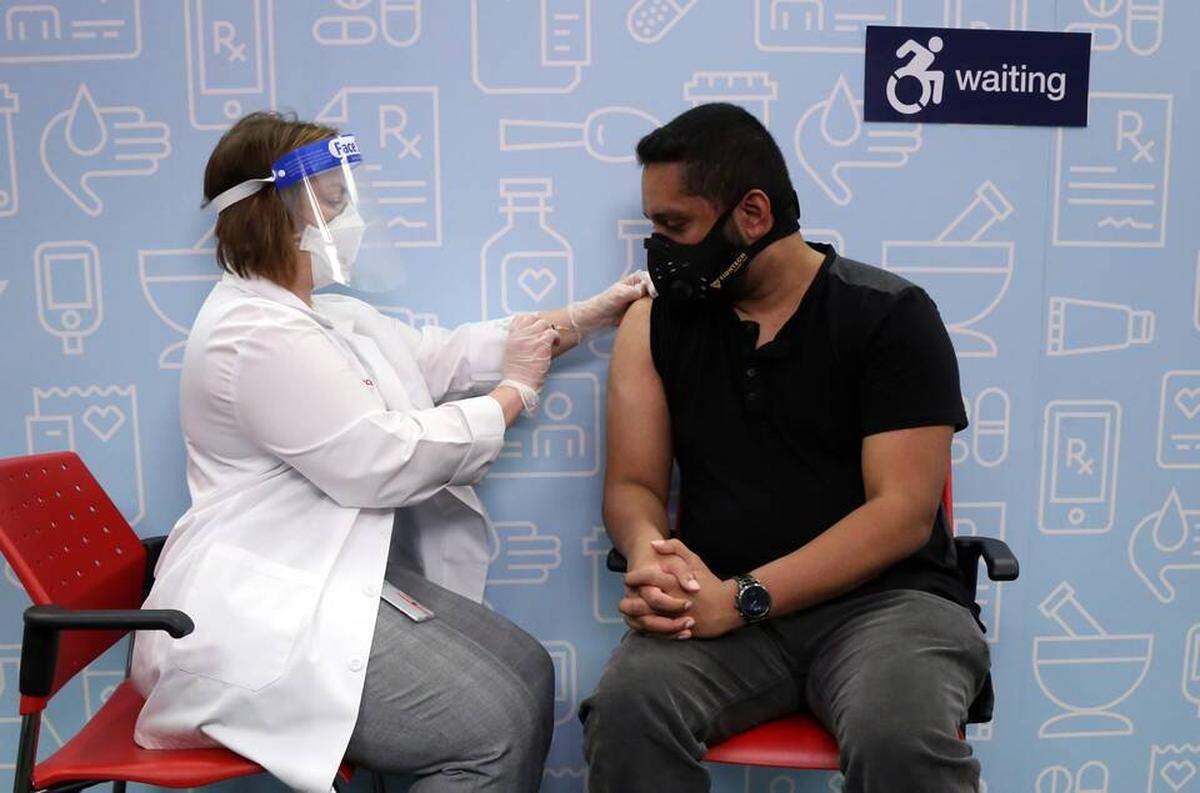
Who should get the flu vaccine? How often?
Blumberg said everyone 6 months of age or older should get vaccinated against influenza every year.
How effective is the flu vaccine?
The flu vaccine is generally about 40% effective at completely preventing influenza, according to Blumberg.
The flu vaccine protects against three strains of influenza, including two influenza A strains.
It also protects against influenza B, which typically shows up later in the season, Blumberg said.
What are common vaccine flu side effects?
After receiving the flu vaccine, you may experience pain and soreness at the injection site.
Some people also have a low-grade fever, Blumberg said.
Serious allergic reactions to the vaccine are extraordinarily rare, he said, with a rate of less than one person per million doses.
“On balance, it’s clear that the benefits of vaccination outweigh any of the risks” he said.
Can I still get the flu if I’m vaccinated?
After you get your flu vaccine, it takes about two weeks for your immune system to develop full immunity and protection against the disease, Blumberg said.
“People who are vaccinated may still get infected, but it’s less severe compared to those who are not vaccinated and infected,” Blumberg said. “The recovery is faster. There’s decreased risk of hospitalization and decreased complications among those who are vaccinated.”
“So it’s still important to be vaccinated,” he added.
Can the flu vaccine protect me against COVID? RSV?
Influenza isn’t the only illness sickening California residents.
COVID-19, respiratory syncytial virus and norovirus are also spreading across the state, resulting in a health care crisis that medical experts have dubbed the “quad-demic.”
The flu vaccine is specifically designed to protect people against influenza, according to Blumberg.
If you’re seeing protection from RSV or COVID-19, you should get those vaccines too, he said.
“You’d have to get vaccinated against each individual pathogen to be immune to each one.” Blumberg said.
What happens if I get the flu?
If you get the flu, Blumberg recommends calling your health care provider.
“The circulating strains are still susceptible to antiviral therapy, such as Tamiflu, and this can decrease the clinical illness by a day or more,” he said.
“That may not seem much like one day less,” Blumberg added, “but if you have the flu, you can be pretty miserable, so one day of feeling less sick can make a big difference.”
What’s the best way to keep from getting sick?
Wearing a face mask in public can help protect you against the flu, RSV and COVID-19, Blumberg said.
“We saw really low rates of influenza when people were social distancing and masking because of COVID,” he said.
According to the CDC, here are other ways to avoid getting sick or sickening others:
- Cover your nose and mouth with a tissue when you cough or sneeze. Throw the tissue in the trash after you use it
- Wash your hands often with soap and water. If soap and water are not available, use an alcohol-based hand rub.
- Avoid touching your eyes, nose and mouth.
This story was originally published January 15, 2025 at 2:45 PM with the headline "How effective is the flu vaccine amid California ‘quad-demic’? Is it too late to get shots?."
%20Cropped.jpg)