California tribes are urging the rejection of this casino project proposal. Here’s why
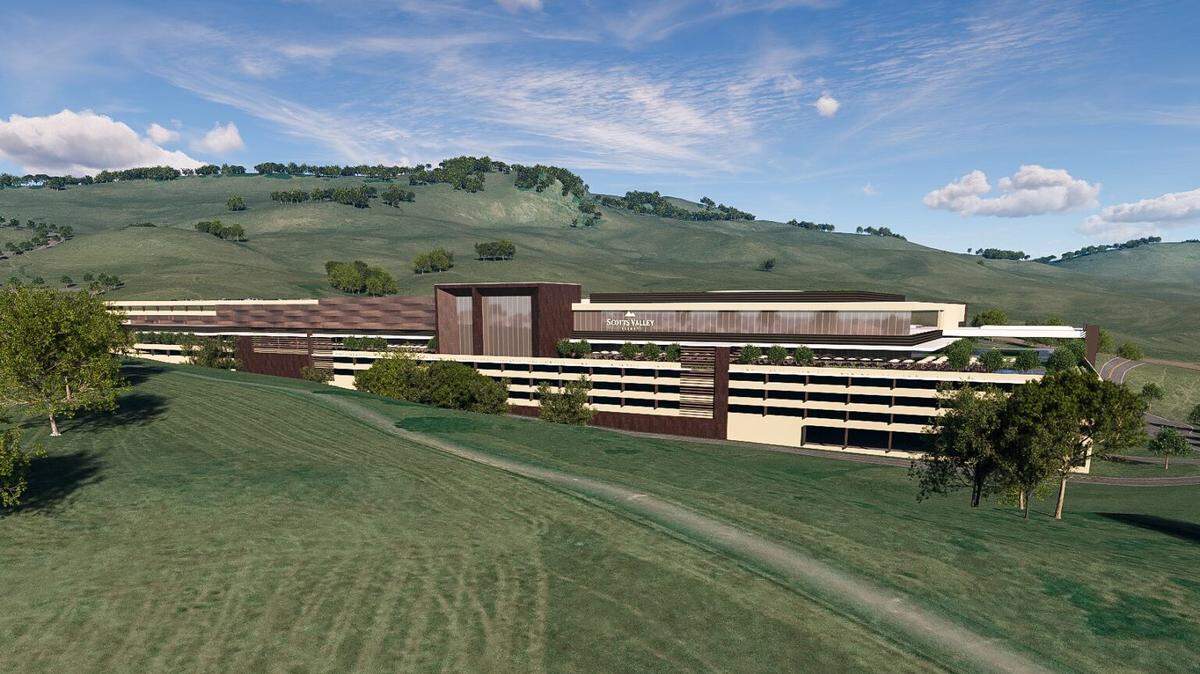
Tribal leaders called on the Department of Interior to reject the Scotts Valley Casino proposal, which they said is environmentally harmful and undermines their sovereignty, during a news conference Thursday in West Sacramento.
The Yocha Dehe Wintun Nation and the Kletsel Dehe Wintun Nation are both Patwin tribes, whose ancestral homelands span from Yolo to Solano counties. Both tribes said the project could not only harm their ancestral land but threaten their tribal sovereignty.
“For generations, the Patwin people have grown sadly used to secretive federal decision-making that undermines our way of life,” said Anthony Roberts, the Yocha Dehe Wintun chairman. “But we never expected it from one of our own or from a federal government that reports to respect tribal sovereignty and rights.”
Charlie Wright, the Kletsel Dehe Wintun chairman, said the casino’s development would directly impact sensitive cultural sites.
“These sites carry the weight of our history,” Wright said. “Representing villages of our ancestors who regarded this land as their home.
The Scotts Valley Casino is a project headed by the Scotts Valley Band of Pomo Indians, a neighboring tribe. The tribe is asking the Department of Interior to put a 160-acre site in Solano County into federal trust for the project. The project is estimated to cost the Pomo tribe $700 million. Construction is allowed under the Indian Gaming Regulatory Act.
For generations, the Scotts Valley Band of Pomo Indians have faced hardships, Jesse Gonzalez, the tribe’s vice chairman, wrote in a statement sent to The Sacramento Bee. Losing land is one of them. He wrote that the casino project would allow the tribe to “reestablish a homeland and build a sustainable future” for members.
“This project represents a transformative opportunity to reverse this history, allowing our Tribe to reestablish a homeland and build a sustainable future for our members,” Gonzalez wrote.
Gonzalez added that additional housing project can support housing needs for tribal members.
Environmental and transparency concerns
Each of the Patwin tribes said the construction of the casino would have significant environmental impacts to the endangered species in the area, tribal cultural resources, wetlands, traffic and air quality.
The tribes stated the construction of the project would harm an endangered species of Callippe Silverspot butterfly, which can be found on these 160 acres.
The Department of the Interior conducted an environmental assessment for the project, which found the casino, and an additional housing project is “intended to enable the (Scotts Valley Tribe of Pomo Indians) to meet its needs for economic development, self-sufficiency, and self-governance” and will provide employment opportunities to the Pomo tribe, the document states.
The Yocha Dehe Wintun and the Kletsel Dehe Wintun Nation said this assessment was given without the opportunity for review by local tribes. According to the coalition, Protect Tribal Homelands, the Department of Interior only placed a public notice in the Sunday classified section of the Daily Republic, a daily newspaper in Fairfield, California.
On Thursday, the Yocha Dehe Wintun Nation submitted a comment to the Department of the Interior about the project, which they were given 45 days to supply.
The communication process between the Department of Interior has been flawed, tribes said. The Patwin tribes added that they’ve been ignored when repeatedly asking the Bureau of Indian Affairs, which is under the Department of Interior’s jurisdiction, to establish a “fair, transparent and fact-based review process.”
Patrick Bergin of Peebles Bergin Schulte & Robinson, the attorney representing the Scotts Valley Band of Pomo Indians said the project’s “commitment to transparency is evident in its adherence to the legal and regulatory process required by the federal government.” He said the regulatory process includes a determination conducted by the BIA on if the land is eligible for gaming if taken into trust.
“The analysis of gaming eligibility focuses on whether Scotts Valley meets the stringent criteria of sufficient modern and historical connections to the land,” Bergin wrote in a statement sent to the Bee. “The focus is on Scotts Valley alone, and there is no requirement to consider whether other Indian tribes also have sufficient connections to the same land.”
In opposition to the Scotts Valley Casino project, the Office of the Governor addressed a letter to the Department of Interior, expressing concerns that the construction strays away from federal regulation safeguards.
The letter from Gov. Gavin Newsom’s office states federal law generally prohibits gaming on new land taken into trust, unless the land is connected to a tribe’s pre existing reservation.
“(Newsom) is concerned by the prospect that the Department might invoke the “restored lands” exception to support projects that are focused less on restoring the relevant tribes’ aboriginal homelands, and more on creating new gaming operations in desirable markets.” the letter reads.
This story was originally published August 24, 2024 at 5:00 AM with the headline "California tribes are urging the rejection of this casino project proposal. Here’s why."