
Can I get a ticket for speeding in a school zone if kids aren’t around? See California law
It’s back-to-school season across California.
As students return to class, it’s important to review California’s driving laws to ensure children’s safety.
You’ve probably seen signs near schools warning “Speed limit 25 when children are present.”
What exactly does “when children are present” really mean? And can you get a ticket for not following the school zone speed limit?
Here’s a refresher on California’s rules of the road when it comes to driving near schools:
What is considered a school zone in California?
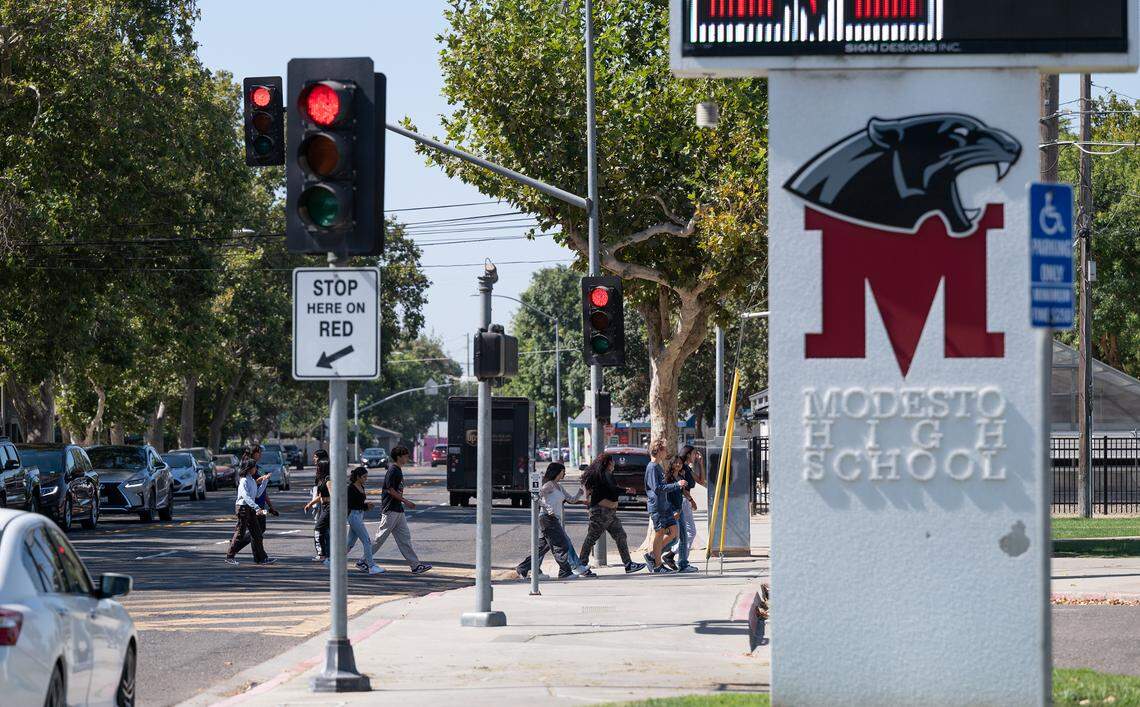
Under California law, a school zone is any area of a highway, which is a public area open to use for vehicles including roads and streets, that surrounds a school building and its grounds.
This includes the area of the road that approaches or passes the school and is not separated by a fence or other barrier, the law says.
California Vehicle Code 40802 says there must be a sign posted to inform drivers about the presence of a school zone.
That school zone is enforced while the grounds are being used by children “going to or leaving the school either during school hours or during the noon recess period,” the code says.
According to the California Department of Motor Vehicles, the speed limit is 25 mph within 500 feet of a school zone when children are present.
However, some school zones can have posted speed limits requiring drivers to lower their speed to 15 mph, the department’s website says.
What does ‘when children are present’ mean?
While the California Driver’s Handbook states drivers must follow the school zone speed limit “while children are outside or crossing the street,” does the school zone speed limit apply if children are in class?
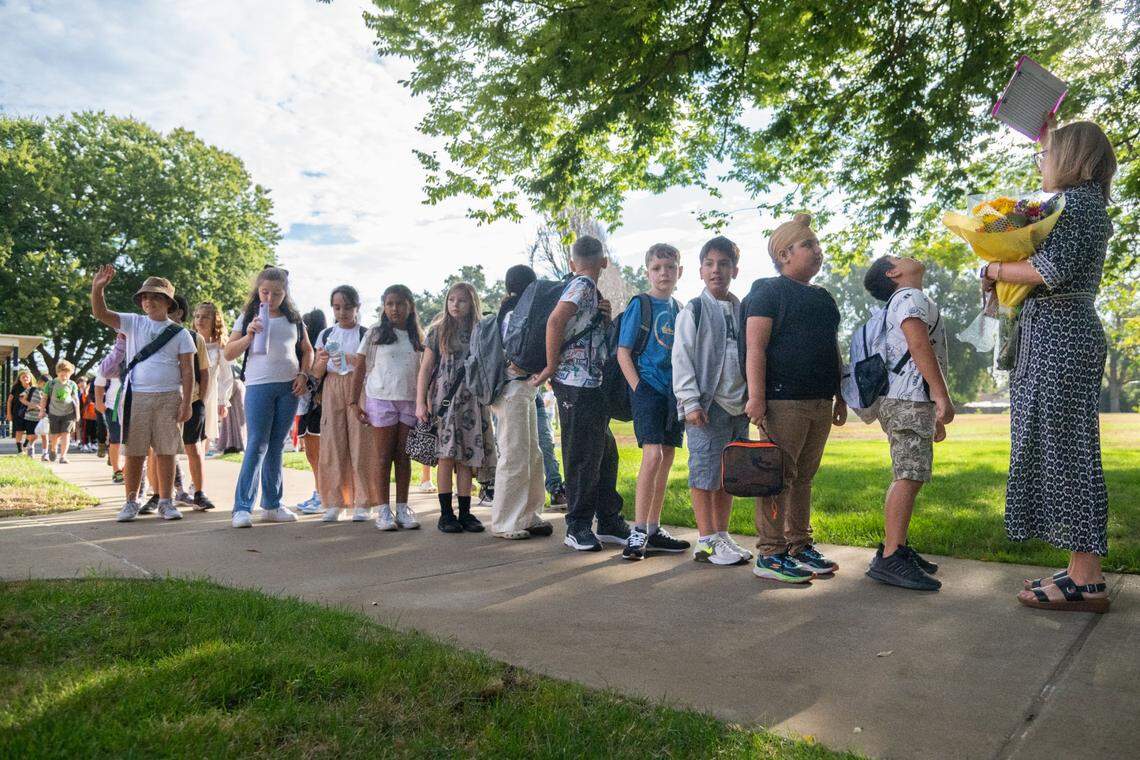
Officer Thomas Olsen, a Modesto area spokesman for California Highway Patrol, told The Sacramento Bee in January that children are determined to be “present” whenever they are on the side of the school’s fence or barrier closest to the road.
This would include drop-off and pick-up times, Olsen said.
“If the roadway is engineered to have a speed limit of 30 mph, then the motorist would have to lower their speed to 25 if children are present,” Olsen wrote in an email to The Bee.
When children are not physically present in the school zone but still on school grounds, Olsen said drivers must still go at a “safe” speed.
“If it’s 10 a.m. and children are corralled in a fenced area during recess, then motorist may go (the regular speed limit if it’s) safe to do so,” Olsen wrote.
Though school hours in California might range from about 7 a.m. to 4 p.m., Olsen said drivers should still be cautious when passing by a school zone because after-school programs can last until 6 p.m.
“It is always best practice to lower your speed when near school zones and exercise a high visual horizon,” Olsen said, “looking down the road for potential hazards.”
When children are not present in the school zone, Olsen said drivers can return to the posted business or residential speed limit, which is often 25 mph.
Can I get a ticket for not following school zone speed limit?
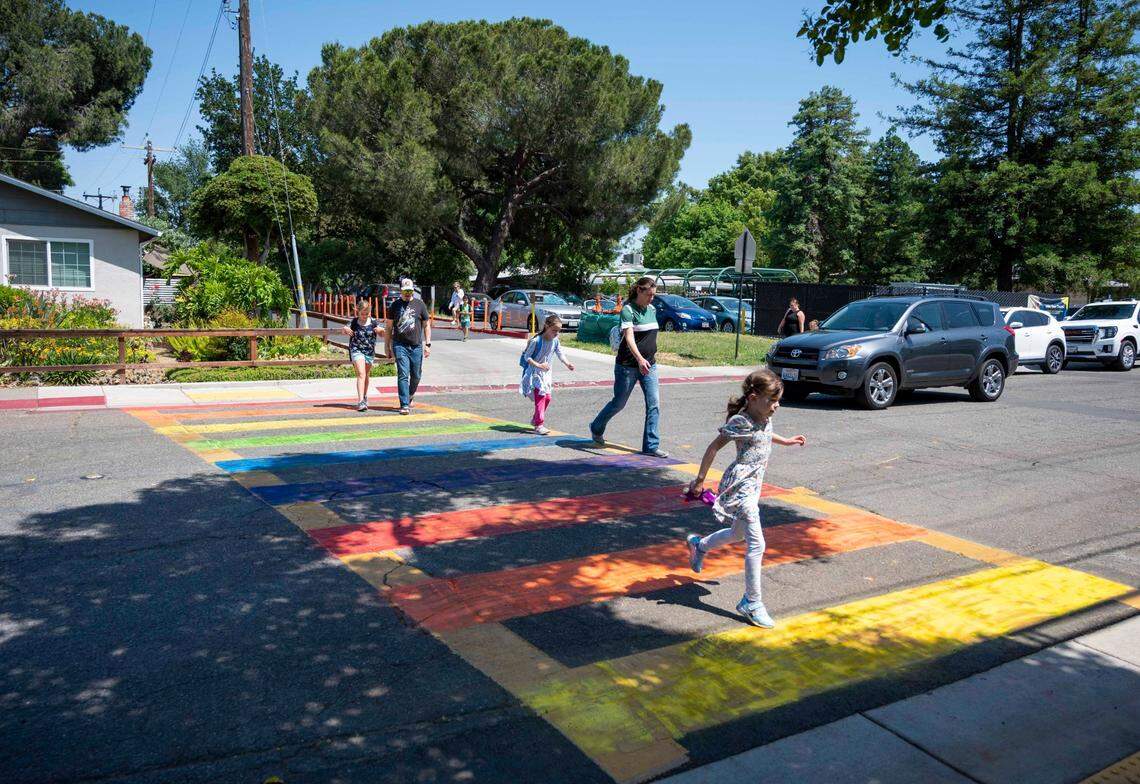
When children are considered present, California law states the drivers must follow the posted school zone speed limit.
Any driver caught going faster than that speed limit could be issued a speeding ticket. Fines range from $35 to more than $500, not including additional court costs and assessments, according to Shouse California Law Group.
Along with speeding fines, a ticket could also lead to one so-called “negligent operator” point being added to your California driver’s record.
This story was originally published August 13, 2024 at 6:00 AM with the headline "Can I get a ticket for speeding in a school zone if kids aren’t around? See California law."
