
New state water conservation rules go easy on Sacramento but small cities nearby feel the pinch
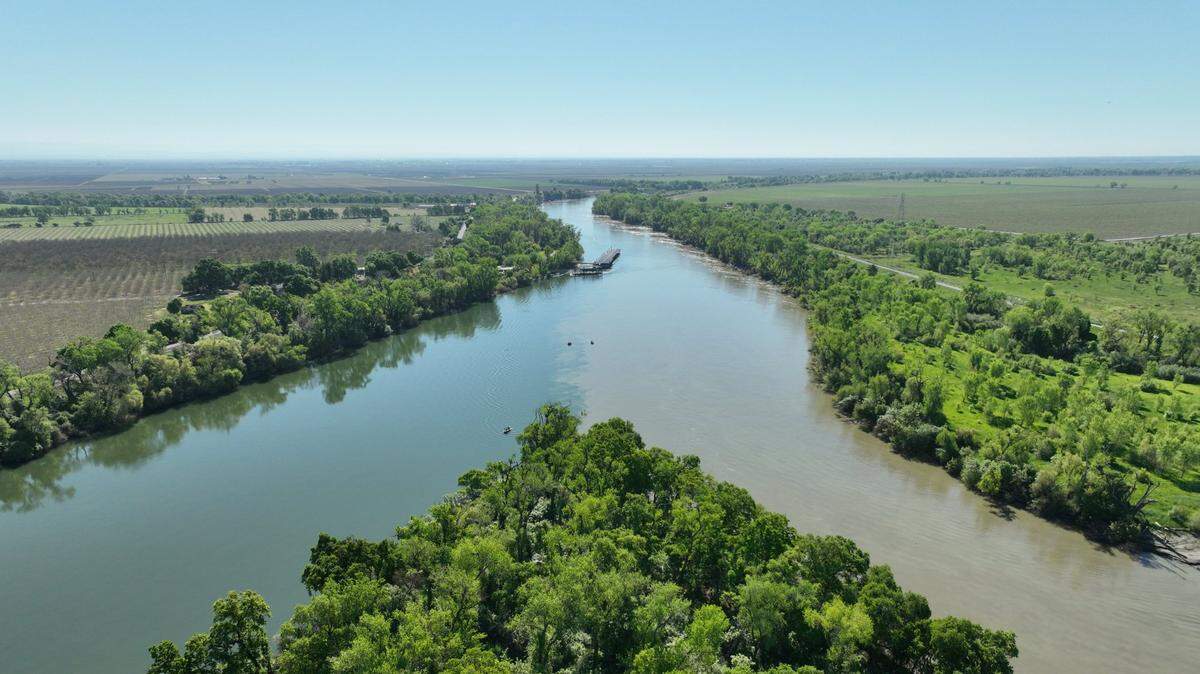
With California expecting its water supply to dwindle, new state conservation rules will encourage water suppliers to conserve 500,000 acre-feet, or 162.9 billion gallons, annually by 2040 — enough for roughly 1.4 million households.
The highly detailed rules by the state water regulators vary widely. Under new targets, many urban water districts including Sacramento are under little to no obligation to conserve while smaller ones nearby are required to cut as much as 30% in a few years.
The sweeping new regulations were adopted by the state Water Resources Control Board last week after years of deliberation.
“The arc of conservation in this state has been an incredible one. Californians know conservation is critical,” said board chair Joaquin Esquivel of the new rules. “What this creates is really a floor. ... This regulation has taken a decade worth of work.”
Stark differences in conservation requirements are on display in the Sacramento region, where major urban districts face minimal cuts and some far smaller, more rural communities nearby face significant reduction targets far sooner.
Under the regulation adopted last week, the city of Sacramento will not need to conserve more water than it already does until 2035, when it will need to cut its water use by 9%. The same goes for Sacramento Suburban Water District, the utility that serves Arden Arcade and North Highlands, which will need to conserve 7% more by then.
The California American Water Co., which provides service to multiple areas in Sacramento and Placer counties, is facing zero cuts, and so is Sacramento County Water Agency, which serves parts of Elk Grove and the county’s southeast side.
Meanwhile, the city of West Sacramento water utility has to cut back 21% by 2040. More rural suppliers face stricter rules, such as Linda County Water District and Susanville with 30% and 29% respective cuts in just a few years, by 2027.
Differences in the new regulations will also play out statewide.
Water suppliers in much of the Bay Area will see little or no required cuts because of its moderate climate and limited landscaping. In the south state, urban centers like the city of Bakersfield will need to cut back 25% by 2030.
It’s not the first urban water cutbacks in California. That came down from former Gov. Jerry Brown in 2015, during a severe drought. He ordered every supplier across the state to cut water use by 25% — including large urban water districts that had long invested in reservoirs and recycling plants.
The water board’s new system of urban water conservation rules were tailored by detailed data that individualize targets for each of California’s roughly 400 urban water suppliers.
Each target is based on a variety of factors including existing water use and conservation, population needs, water sources, regional climate and urban tree canopy.
They are a more relaxed version of earlier proposed rules, with longer timelines and fewer cuts, after water agencies complained about the difficulty and cost of implementation. A report by the Legislative Analyst’s Office also criticized the earlier version as unrealistic.
Linda County Water District general manager Brian Davis said he supports the intention of this regulation, but he’s concerned there’s only so much his staff can accomplish. The district is first working on updating its water accounting system to pinpoint water leaks — whether real or just based in bad data.
But once that gets done, he said asking customers to conserve feels beyond the small agency’s means.
“It feels a bit like the state is pushing their goals onto us, which I can understand but maybe we’re not the best equipped to carry those things out,” he said on public outreach and education work. “We’re just a bunch of engineers and mechanics.”
It’s the larger urban water districts that have resources for things like water-saving rebate programs, said Jim Peifer, executive director of the Sacramento Regional Water Authority which represents those urban districts.
“Regional urban water use has decreased about 23% since the population has gone up 15%, so some of that work in terms of reducing demand has already occurred,” Peifer said, noting that cities such as Sacramento and Roseville have conservation staff and will do water-wise house calls.
He said the state government should also be looking to invest in local initiatives to not just conserve, which has limitations, but also try and boost water supply during dry years. He pointed to the Sacramento Regional Water Bank, a groundwater storage system under development.
“Water conservation is just one piece of the puzzle to secure a water future for California,” he said. “And one of the things we need to do is make sure we’re not over investing in things that may have diminishing returns.”
This story was originally published July 11, 2024 at 8:00 AM with the headline "New state water conservation rules go easy on Sacramento but small cities nearby feel the pinch."