
How do I keep rattlesnakes out of my California backyard? Stay safe with these expert tips
Temperature are heating up in California, which can bring snakes out from hiding to bask in your backyard.
Rattlesnakes thrive in the spring and summer, according to the U.S. Forest Service.
Snakes are most active from April to October, the federal agency said, which only increases the likelihood you’ll run into one.
“In California, the only potentially dangerous snake is a rattlesnake,” said Michael Starkey, founder and executive director of Save The Snakes, a snake conservation nonprofit organization based in Sacramento.
“If it’s not a rattlesnake, then it’s not one that you really need to worry about,” he said.
Here are some tips to help keep snakes away:
How to keep snakes out of your backyard
It’s important to understand why a snake is coming into your yard or garden, Starkey said, which are adding that it’s often for “simple reasons.”
Snakes are usually looking for water, Starkey said.
That’s why he recommends “removing sprinkler heads that are leaking” and also securing any air conditioning units or pet water bowls that can also act as water sources for snakes.
Snakes might also go into your backyard to look for shelter, he said.
“If you have a crack underneath the foundation of your home, that’s a perfect place that a snake is going to look for in summertime if they’re trying to escape the heat,” Starkey said.
Keeping a clean backyard can keep snakes away from your yard.
“Snake could potentially seek refuge underneath,” items such as boards, children’s toys, or even vegetation, Starkey said.
Snakes are “secretive” and usually want to be “hidden and out of sight,” he said.
How to identify rattlesnakes
Seven different species of rattlesnake can be found across California.
The most common is the western rattlesnake, which can be found from sea level to elevations of 7,000 feet, according to the California Department of Fish and Wildlife.
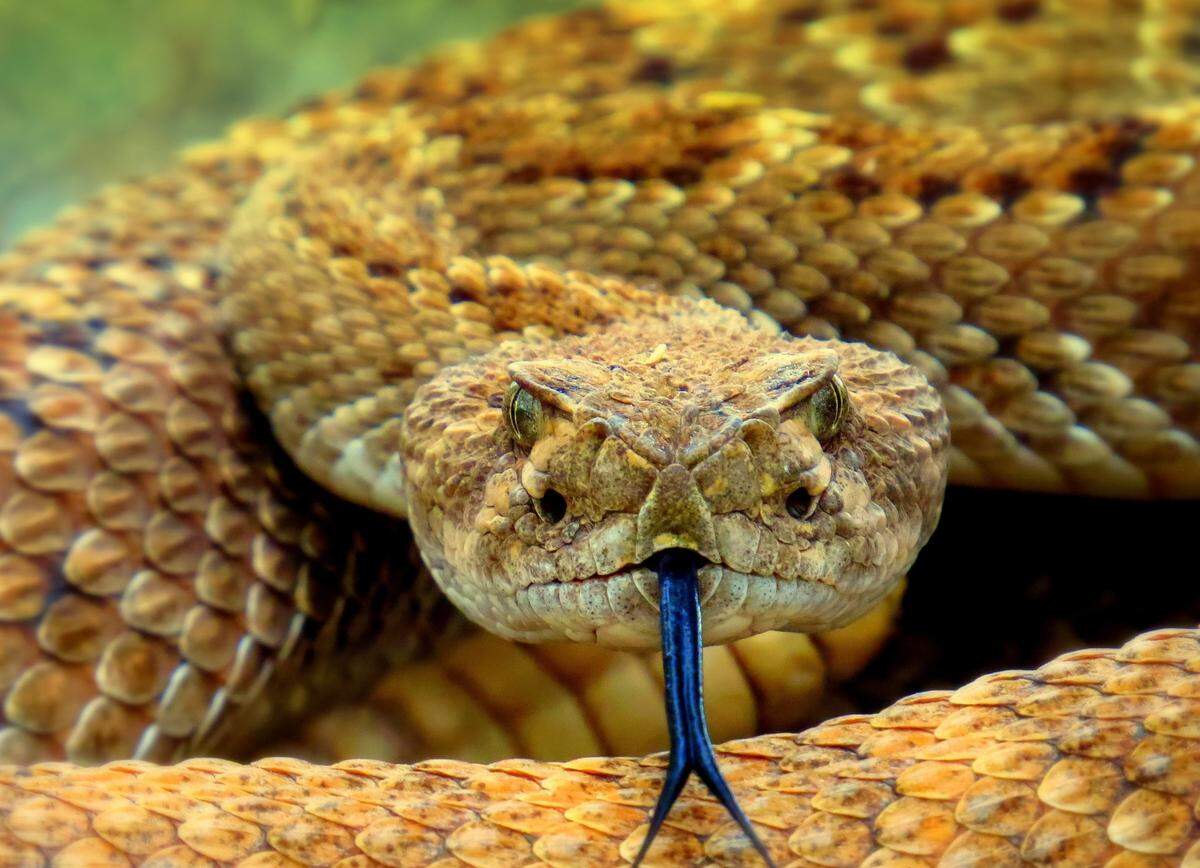
Rattlesnakes can be recognized by the distinct sound their rattles make.
The snakes can, however, lose their rattles or simply decide not to use them.
In that case, you can identify rattlers by their gray or light brown exteriors and triangular-shaped heads. They usually range between 2 feet and 4 feet in length and can easily camouflage themselves to match their surroundings.
The reptiles typically hang out under rocks, logs and woodpiles, according to the National Park Service.
Once a snake is ready to raise its body temperature, it will move into sight.
How to avoid rattlers
“Rattlesnakes aren’t aggressive to humans unless threatened or frightened,” Stephen Nett, a Bodega Bay-based naturalist, wrote on Sonoma County Regional Parks’ blog.
The snakes are typically shy around bigger animals and instead feed on mice and other rodents.
They will rattle if they sense prey and try to escape.
Let them do so.
A rattlesnake can strike as far as two thirds of its body length, according to Sonoma County Regional Parks.
If you encounter a snake on a trail, you should stay at least 10 steps away from it, or as far as possible.
This story was originally published May 23, 2024 at 5:00 AM with the headline "How do I keep rattlesnakes out of my California backyard? Stay safe with these expert tips."