
New survey examines key causes of California homelessness and barriers to housing access
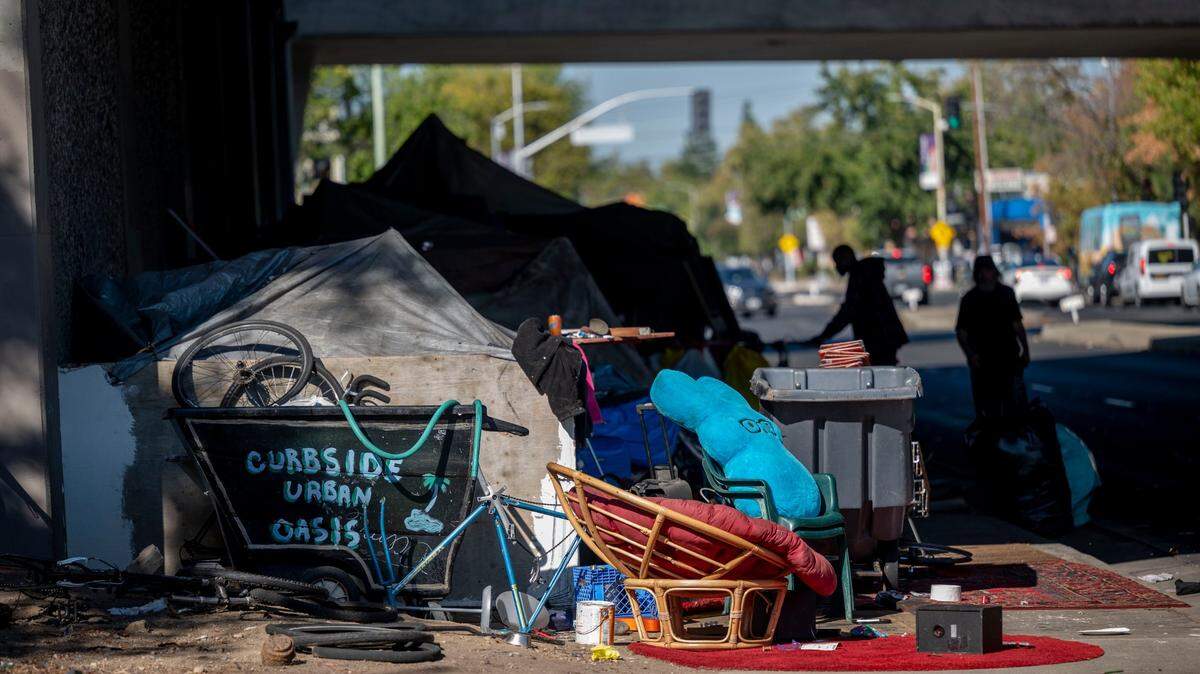
A comprehensive, statewide study on homelessness released Tuesday by the University of California, San Francisco, on Tuesday found that nearly half of homeless Californians are age 50 or older, that Black and Native American populations are overrepresented and that many experience physical violence, sexual violence or other trauma.
UCSF said the California Statewide Study of People Experiencing Homelessness is the largest comprehensive homelessness study conducted since the 1990s. The study included roughly 3,200 survey responses and 365 in-depth interviews to determine that Californians experience homelessness chiefly because they cannot afford housing, according to Dr. Margot Kushel, director of the UCSF Benioff Homelessness and Housing Initiative, which led the study.
The study found that more than 171,000 people experience homelessness daily in California. The state is home to 30% of the nation’s homeless population and half of the nation’s unsheltered population despite only making up roughly 12% of the U.S. population.
The university team collected data between October 2021 and November 2022.
Sexual violence was common; roughly 24% of participants reported that they experienced it, with higher concentrations among cisgender women (43%) and transgender or nonbinary individuals (74%).
“As we drive toward addressing the health and housing needs of Californians experiencing homelessness, this study reinforces the importance of comprehensive and integrated supports,” said Dr. Mark Ghaly, Secretary of the California Health and Human Services Agency, in a prepared statement accompanying the study. “California is taking bold steps to address unmet needs for physical and behavioral health services, to create a range of housing options that are safe and stable and to meet people where they are at.”
What the study found
Approximately 47% of homeless Californians are adults age 50 or older, reflecting an aging homeless population in the state, according to the study.
Black and Native American members are dramatically overrepresented, the study found.
Contrary to popular homeless migration myths, Kushel said, most study participants were from California with 90% of participants losing housing in the state and 75% living in the same county in which they were last housed.
The median length of homelessness was 22 months.
Almost half of participants were looking for work, the study found.
Barriers faced by California’s unhoused
The study said that participants often experienced multiple forms of life trauma and that this contributed to an increase in vulnerability to homelessness, mental health struggles and substance use challenges.
Roughly 65% of participants reported having had a period in their life in which they regularly used illegal drugs. One in five participants who reported using substances said they sought treatment but could not get it, the study said.
Two-thirds of participants reported current mental health symptoms, according to the study.
Participants reported poor health, many health challenges and poor access to healthcare. Pregnancy was common among unhoused women of reproductive age, with about 26% reporting pregnancies at some point during their episode of homelessness and 8% reporting current pregnancies at the time of survey response.
Nearly one-third of participants reported a jail stay during their homelessness stint, the study found.
Nearly all participants expressed interests in obtaining housing but mentioned barriers, including housing costs, lack of necessary documentation, discrimination, prior evictions, poor credit history, challenges associated with physical or behavioral health conditions, and family considerations, such as whether or not a place had sufficient space for children.
Participants exiting housing to homelessness reported having minimal notice, findings said. Leaseholders reported a median of 10 days notice that they were going to lose their housing, and non-leaseholders reported a median of one day. Leaseholders reported higher incomes than non-leaseholders, but they also possessed higher housing costs.
The study found that the most common reason for leaving their last housing for leaseholders was economic and for non-leaseholders was social. Leaseholders said social and health crises also factored into their economic considerations. Social factors cited by non-leaseholders included conflicts in the household or not wanting to impose on others.
What solutions does the study recommend?
The study’s six key policy recommendations include increasing access to affordable housing, expanding targeted homelessness prevention and matching the behavioral health needs of the population.
They also include increasing household incomes, increasing outreach and service delivery and embedding a racial equity approach in all aspects of homeless system service delivery.
“Having experienced homelessness firsthand, I vividly recall the relentless fight for survival, the pervasive shame that haunted me and my unsuccessful endeavors to overcome homelessness on my own,” said Claudine Sipili, a member of the study’s lived expertise board.
This story was originally published June 20, 2023 at 2:59 PM with the headline "New survey examines key causes of California homelessness and barriers to housing access."