
U.S. citizen spent 36 days in San Joaquin Valley immigration lockup. Now, ICE is being sued
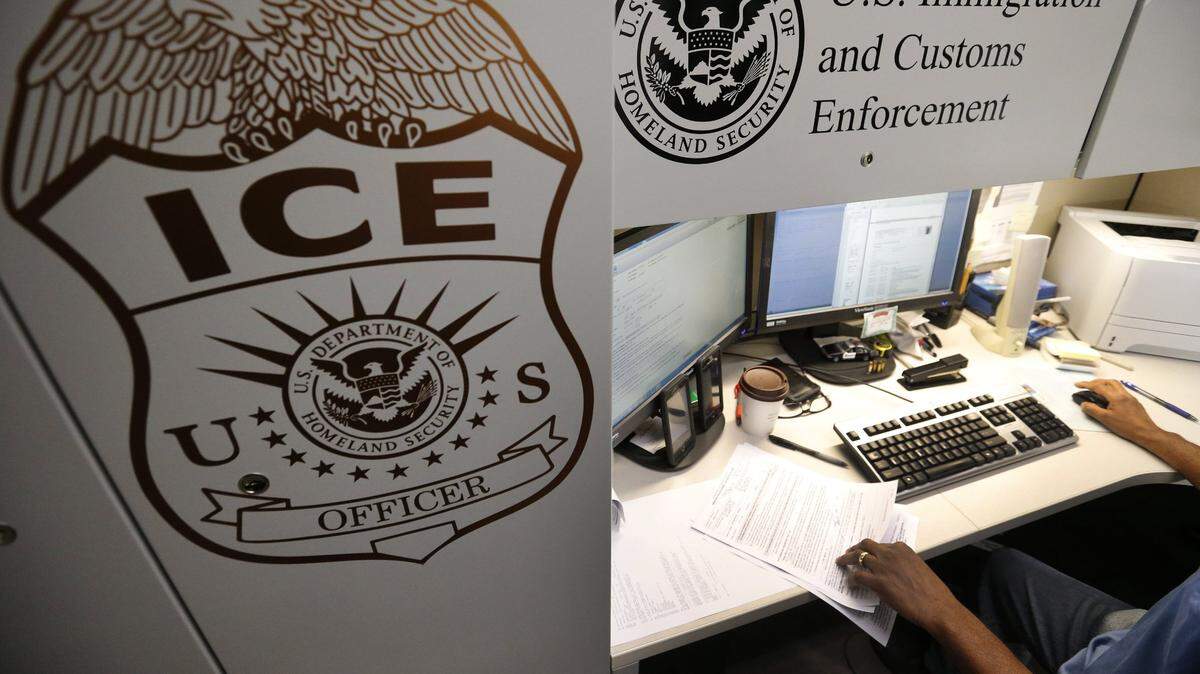
California civil rights organizations are suing the U.S. Immigration and Customs Enforcement over the “unlawful arrest and detention” of a U.S. citizen in 2020.
The lawsuit comes months after a government report found the need for ICE to better train its officers to verify people’s citizenship. The California Legislature during its next legislative session will again consider a bill that would end transfers to ICE altogether.
Late on Monday, an ICE spokesperson told The Bee the agency doesn’t comment on “litigation proceedings or outcomes.” The spokesperson didn’t answer a question about the government report on these kinds of arrests.
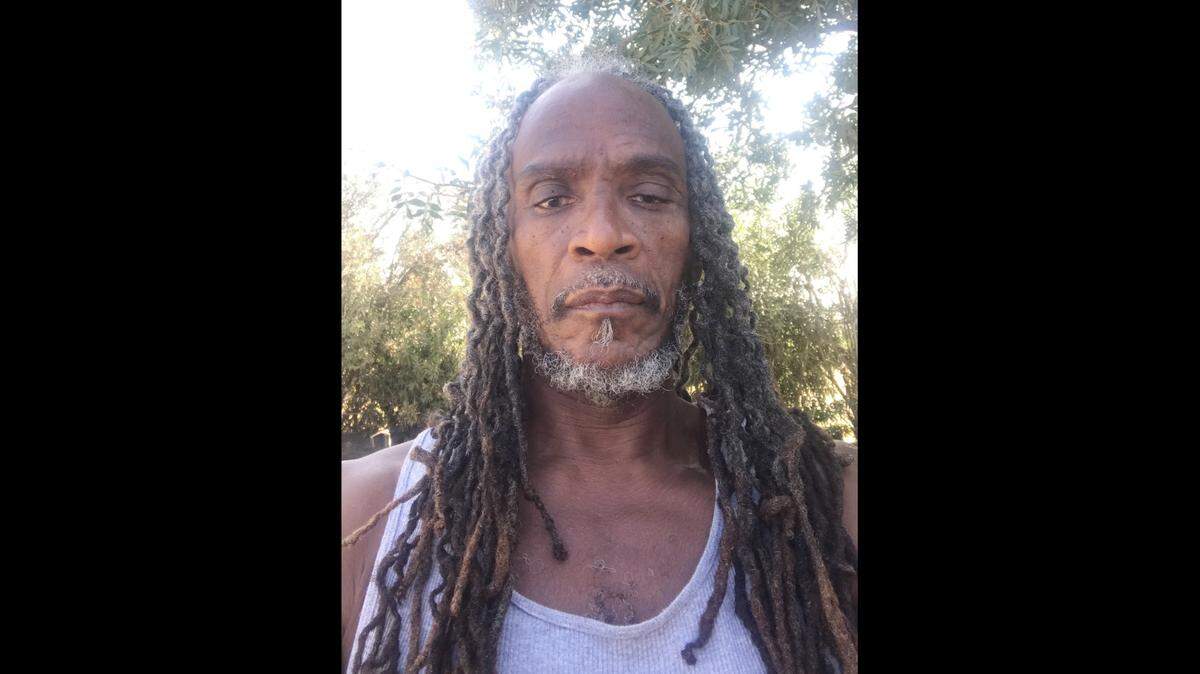
Asian Americans Advancing Justice-Asian Law Caucus and the ACLU Foundation of Northern California on Monday filed the federal lawsuit on behalf of Brian Bukle, 62, of Corona in Riverside County. California Department of Corrections and Rehabilitation officials transferred Bukle into ICE’s custody on June 17, 2020 when two G4S Secure Solutions guards arrived to pick him up.
Bukle spent 36 days at the Mesa Verde ICE Processing Facility in Bakersfield — in the midst of a COVID-19 outbreak — before the government acknowledged his U.S. citizenship and an immigration judge threw out his deportation case, the lawsuit says.
Jenny Zhao, a senior staff attorney with Asian Americans Advancing Justice-Asian Law Caucus, said the ICE officers in this case “completely failed” to follow the agency’s internal policies that outline what they’re supposed to do when someone says they’re a U.S. citizen.
“One thing we would like to do with this case is to highlight ICE’s mistreatment of people that are detained, and the way in which ICE flouts the law and makes decisions that have enormous impacts on our community members,” Zhao told The Bee.
The lawsuit alleges offenses including false arrest and imprisonment, malicious prosecution, intentional infliction of emotional distress and negligence, among others.
The suit is seeking an unspecified amount of damages.
Vasudha Talla, director of the Immigrants’ Rights Program at the ACLU of Northern California, said she believes the damages can only be decided by the court after hearing testimony and evidence of what Bukle went through. He “suffered” during his arrest and then during his detention in the middle of the pandemic, she said.
“He was incredibly concerned about his health and safety, and of course, the fear of being deported,” Talla told The Bee. “He has continued to suffer from emotional distress long after his release.”
Plaintiff informed ICE he was a U.S. citizen multiple times
ICE placed a hold on Bukle for CDCR to transfer him into the federal immigration agency’s custody upon his release, according to the lawsuit. Bukle, the lawsuit says, informed CDCR officials multiple times that he was a U.S. citizen, but they refused to lift the ICE hold.
Bukle was looking forward to reuniting with his son on Father’s Day, according to the lawsuit. A day before his release date, he was informed by a CDCR staffer that he would be picked up by ICE the following day.
He once again informed CDCR officials he was a U.S. citizen to no avail, according to the lawsuit. He was taken by G4S security guards to the ICE sub-field office in Bakersfield before being detained for more than a month.
In February, the same organizations sued ICE over its use of private security guards to make immigration arrests — a practice they say is prohibited by federal law. Federal codes outline immigration officers who have the authority to make such arrests.
A claim was filed against the state of California in December on behalf of four individuals, including Bukle, over their “illegal” transfers to ICE by security guards. Around the same time, a claim was filed with the federal government on behalf of Bukle on his citizenship case.
Bukle’s brother, Basil Bluke, said ICE officers need to listen to the family members of those detained.
Brian Bukle, who was born in the British Virgin Islands, derived U.S. citizenship from both of his naturalized parents. He’s been in the U.S. since he was a child and has been a U.S. citizen for more than 50 years, the lawsuit says.
Basil Bukle said when his brother was detained by ICE, he also attempted to tell ICE officers of his sibling’s citizenship.
“They refuse to hear what you have to say,” Basil Bukle, who is a U.S. Army veteran, told The Bee. “The situation with Brian was really flabbergasting.”
ICE was threatening to deport Brian Bukle to the British Virgin Islands. But an immigration judge terminated his deportation case after the government acknowledged his citizenship.
“If they had deported him....they would have taken away all of his privileges and his rights as an American citizen, and that was not right,” his brother said.
ICE arrests of U.S. citizens
A July report from the U.S. Government Accountability Office outlines actions needed to better track these kinds of arrests and the need for better training. From 2015 through early 2020, ICE’s data indicate the agency arrested 674 potential U.S. citizens, detained 121 and deported 70, the GAO found.
The GAO also found ICE’s policy requires its officers to keep record when it verifies citizenship, but it doesn’t require officers to “update the citizenship field after identifying evidence that an individual may be a U.S. citizen.”
“As a result, ICE does not know the extent to which its officers are taking enforcement actions against individuals who could be U.S. citizens,” the report reads.
Talla said the number of U.S. citizens arrested by ICE is also likely an under-count because the report relies on ICE’s own data.
“It’s not just a thing that happened to Mr. Bukle, unfortunately, because of ICE’s practices that are incredibly problematic,” she said.
Not everyone will go through the process to sue, however, because it can be a process that’s resource-intensive.
“But Mr. Bukle has always been very clear that what happened to him was wrong,” Zhao said. “Not only the way that they detained him, but did so in a very disrespectful manner where they didn’t believe anything he said.”
Zhao and Talla believe there’s a simple fix to the problem, which would be by passing Assembly Bill 937, also known as the Vision Act. The Vision Act would prohibit CDCR from transferring individuals to ICE upon their release. The bill was continued to the next legislative session in 2022.
Sang Nguyen said he knows very well the kind of toll that ICE transfers have on families.
Nguyen’s uncle Binh Vo is a Vietnamese refugee who grew up in Orange County. After serving more than 20 years in prison for a crime he committed in his early 20s, Vo now faces the threat of deportation.
Nguyen said his uncle is scheduled to be released on parole on Wednesday. The family had made plans for him to come home, and even bought him new clothes.
But the family recently learned he could be picked up by ICE.
“We all feel horrible,” he told The Bee. “He already paid a very high price for what he did, so now we send him away to another county — a communism country?”
This story was originally published November 22, 2021 at 8:50 AM.
.jpg)