
California to spend 64 cents on CalPERS pensions for every dollar paid to CHP officers
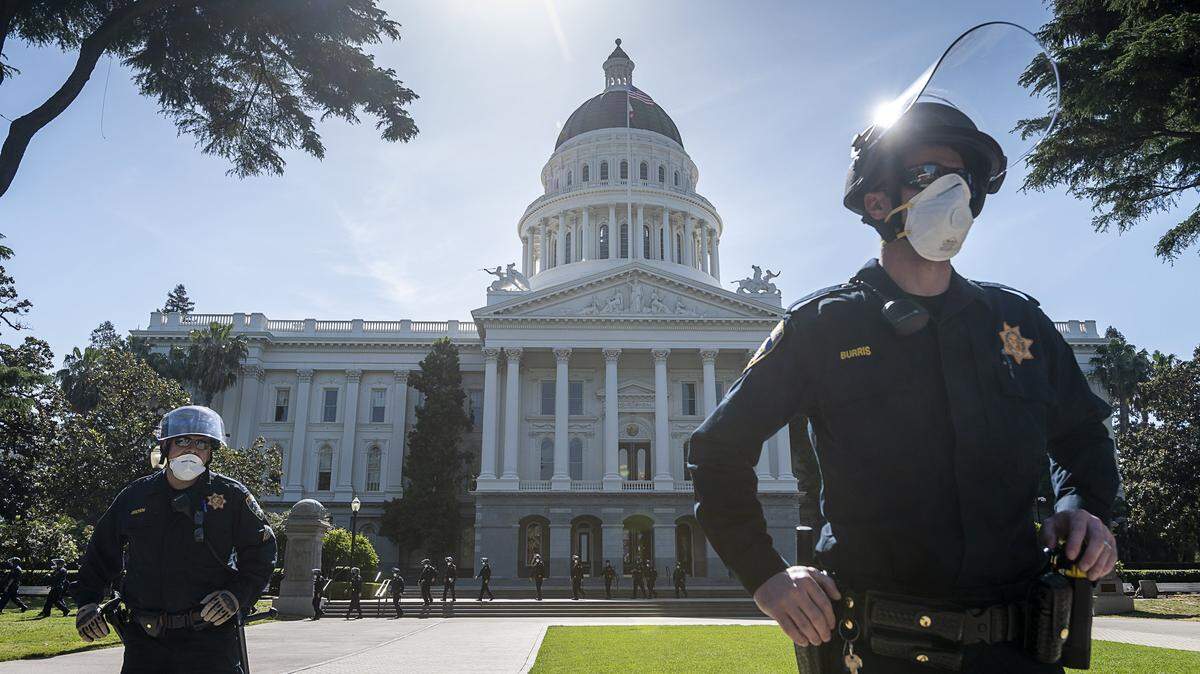
California will contribute more than 60 cents toward highway patrol officers’ pensions for every dollar the state pays them in salary next year, representing a new milestone in the state’s retirement benefit spending.
The board of the California Public Employees’ Retirement System this week finalized the amounts the state must pay, based on state law and employment contracts, toward state workers’ pensions in the fiscal year that starts July 1.
About 6,700 California Highway Patrol officers make up one of five state employee groups that each have a dedicated pension fund administered by CalPERS. The CHP fund is in the worst financial shape of the five, and the state pays the most on a percentage basis to cover officers’ future benefits and to improve the fund’s status.
For every dollar the state pays the officers next year, another 63.7 cents will go toward their pensions, according to the retirement system’s projections. That’s up from 59.8 cents per salary dollar for the present fiscal year. The state’s contribution next year for CHP pensions will come to $623 million.
The other four groups are made up of industrial employees, safety employees, miscellaneous employees, and peace officers and firefighters. The state will contribute from 23 cents to 51 cents per salary dollar to those groups’ pensions next year.
Overall, California will pay $6.8 billion toward state employees’ pensions over the next fiscal year, an increase of about $160 million from the present fiscal year, according to the projections.
Each year, the state must make two payments toward each of the pension plans — one to cover what’s called the normal cost of employees’ pension benefits and another to improve the financial health of the funds, which are all short of the assets needed to cover all their long-term liabilities.
As of June 30, the CHP fund had 64.3% of the assets it would need to cover all of its projected long-term liabilities. The average funded status for the five state plans is 70.6%.
State employees contribute a percentage of their salaries toward the normal cost of their pensions. For CHP officers it’s 11.5%, which is on the upper end of what state employees contribute. The state will make a contribution equivalent to 18.63% of the officers’ pay toward the normal cost next year, the highest among the groups.
Since the CHP plan is the most poorly funded of the five, the state also pays more, as a percentage, toward the plan’s long-term liabilities than it does for the other plans. More than 40% of the state’s 64% pension contribution to the CHP pension fund goes toward the fund’s so-called unfunded liability.
The California Association of Highway Patrolmen, the union representing the officers, reached an unusual term in a 2019 contract with the state in which the union agreed to give up a half-percent in scheduled raises and put the money toward pension debt instead.
The added contribution, which would have amounted to about $25 million over four years, was suspended as part of the pay-cut agreements all state employee unions agreed to last year.
Next year’s contribution rate factors in the retirement system’s investment returns for the fiscal year that ended June 30, 2020; overall growth in employee compensation for the same year; employee turnover and several other factors, actuary Nina Ramsey told the CalPERS board Monday.
Investment returns came in at 4.7% for the year ending June 30, falling short of the fund’s annual 7% target and increasing the state’s required contribution.
If a boom in the stock market continues, CalPERS could exceed the 7% target by a considerable margin for the fiscal year ending in two months. If it does, the funded status of the plans would improve immediately, notching up from the 70.6%.
The gains would help reduce what the state has to pay each year to restore the plans to 100% funding. Those reductions would be spread out over a 20-year period starting in fiscal year 2022-2023, CalPERS spokeswoman Amy Morgan said in an email.
An above-target investment return would also help decrease annual pension costs for cities, counties and other local governments that contract with CalPERS to administer their employees’ retirement benefits.
This story was originally published April 22, 2021 at 5:00 AM with the headline "California to spend 64 cents on CalPERS pensions for every dollar paid to CHP officers."