Fresno State prof. on Bad Bunny at Super Bowl. Viewers will watch to ‘love him or hate him’
AI-generated summary reviewed by our newsroom.
- Macías says Bad Bunny’s Super Bowl spot sparks national Latino identity debates.
- 2026 Grammys win highlights Spanish-language success and challenges crossover norms.
- Some conservative figures framed language and culture as tests of American belonging.
For many Latinos, superstar Bad Bunny could represent cultural visibility at a time when Latino identity is under attack, said Luis Fernando Macías, associate professor in the Department of Chicano and Latin American Studies at Fresno State.
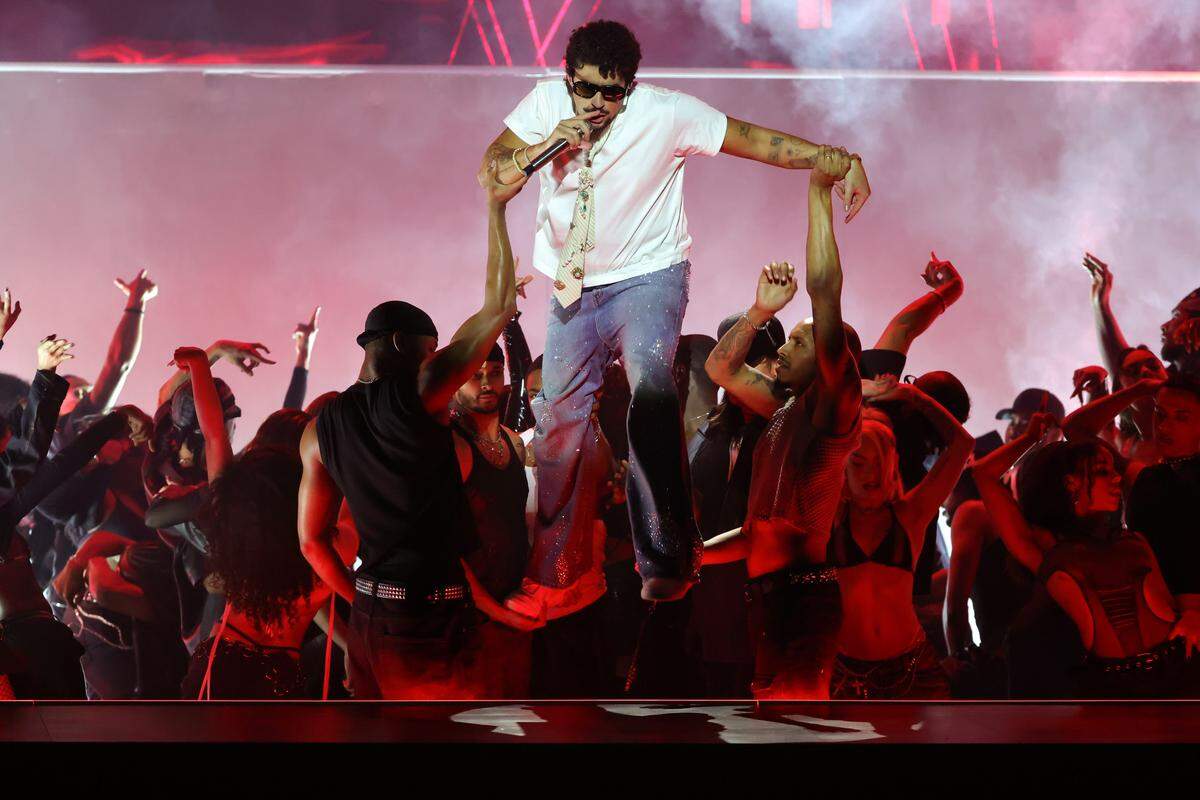
Macías talked about the cultural and political impact of Bad Bunny’s music with The Fresno Bee ahead of Sunday’s Super Bowl, one of the most-watched entertainment events in the world.
Macías, whose area of research is immigration, education, and ethnic studies, said Bad Bunny has the “ability to use his music” to promote important conversations.
“The attention that he is bringing not just to his music, but the way he’s able to use his music for people to ask questions that otherwise they would not have asked, such as, what is he talking about in this album? Why is this album so popular? What is the controversy with him being in the Super Bowl?” said Macías. “Those are the best questions to ask to then get into deeper questions about Puerto Rican identity, Puerto Rican history, Puerto Rican culture, politics, and then even largely how Latinos fit into the United States history, America.”
Born as Benito Antonio Martínez Ocasio in the unincorporated U.S territory of Puerto Rico, the rapper, singer and record producer, is on a roll making music history, but not without some controversy.
His music has achieved mainstream popularity worldwide, and the “King of Latin Trap” is considered one of the best Latin rappers of all time.
His album “Debí Tirar Más Fotos” (I Should Have Taken More Photos) won album of the year at the 2026 Grammys on Feb. 1, making history as the first Spanish-language album to win the top accolade. Bad Bunny also took home the Grammy for Best música urbana album and Best global music performance.
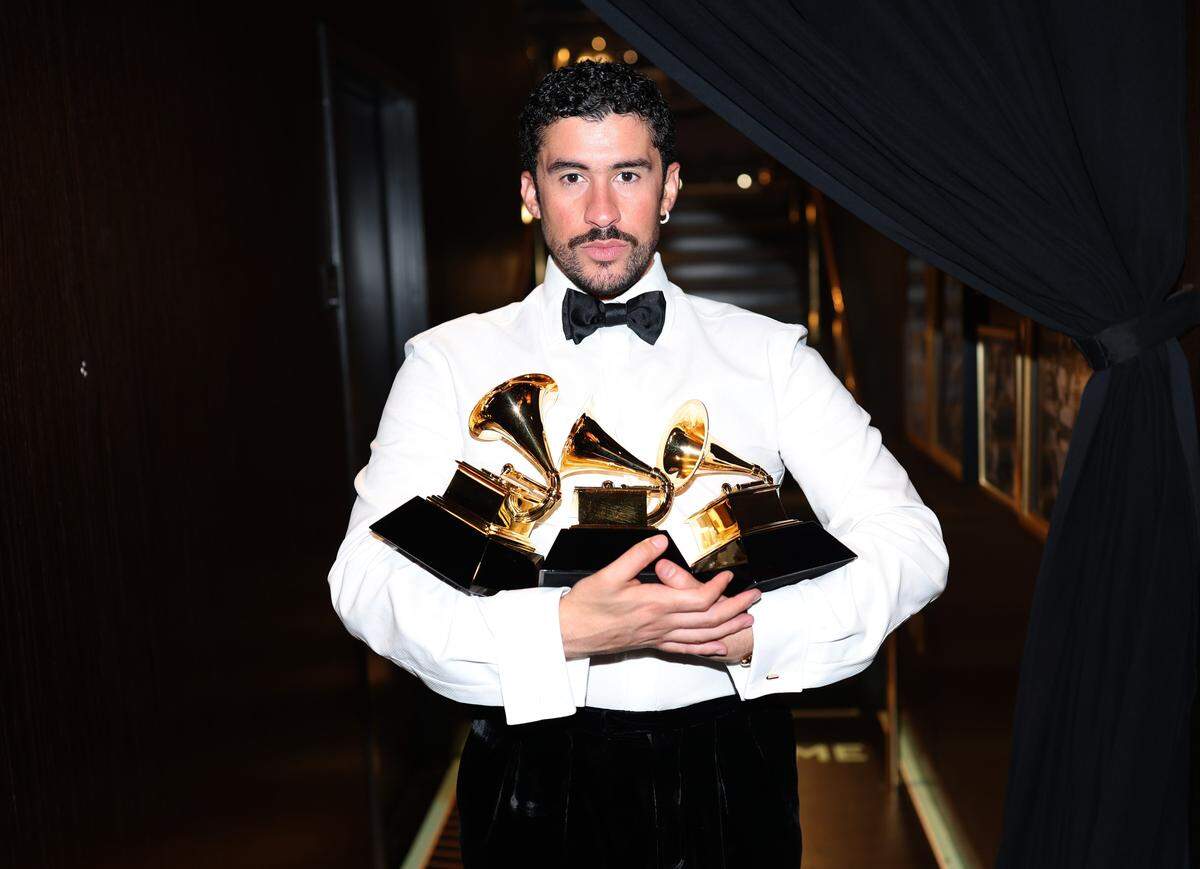
The album also topped Apple’s Music’s China albums chart, the first for any Spanish album. He will deliver the first Super Bowl halftime headlining show in Spanish.
Bad Bunny’s Cultural Significance
His acceptance speech at the Grammys reflected rising protest across the country after ICE detainments and killings in Minnesota, including protests across cities in the Central Valley, such as Fresno and Modesto.
Macías said Bad Bunny has a way of presenting complex issues in a few words. Bad Bunny’s “Ice Out” statement at the Grammys is proof of “being able to say something so relevant with just two words,” he said.
“That is a preview of what I hope will be the forefront of his performance on Sunday, saying a lot in a very direct way,” said Macias, noting that Bad Bunny was the most streamed artist on Spotify last year. . “And the way that he chooses his words, I have faith that he will do so in a way that resonates.”
Macías said, in most recent years the Super Bowl halftime committee has chosen artists that are current, political and unapologetic.
And with Bad Bunny headlining this year, Macías said, “people are going to tune in to love him or hate him, but there will be a conversation and that speaks to how important his art is at this moment.”
“And you have people that otherwise would have never listened to Bad Bunny will tune in, and I’m hoping that they listen with good faith to find out more about his music, to find out more about Puerto Rico, Latinos, the history of colonization,” Macías said.
As an ethnic studies professor, Macías said the big takeaway is that “ You don’t have to forget your culture, your language, your customs, continue being yourself. And that is the light that shines the brightest.”
When the conservative organization Turning Point USA unveiled an alternative Super Bowl halftime show lineup with Kid Rock , the organization went from a dog whistle to a bullhorn for white nationalist sentiments by framing it as an “All-American Halftime Show,” Macías said.
This week White House press secretary Karoline Leavitt said President Donald Trump would prefer to watch Kid Rock instead of Bad Bunny for the upcoming Super Bowl halftime show.
“They’re indicating that’s not really American. We are American. That’s something else, and that’s part of the playbook of racist white nationalist mantra,” Macías said.
This story was originally published February 7, 2026 at 1:19 PM with the headline "Fresno State prof. on Bad Bunny at Super Bowl. Viewers will watch to ‘love him or hate him’."