
Lower prices on prescription medications? Biden, Congress consider plan to cap costs
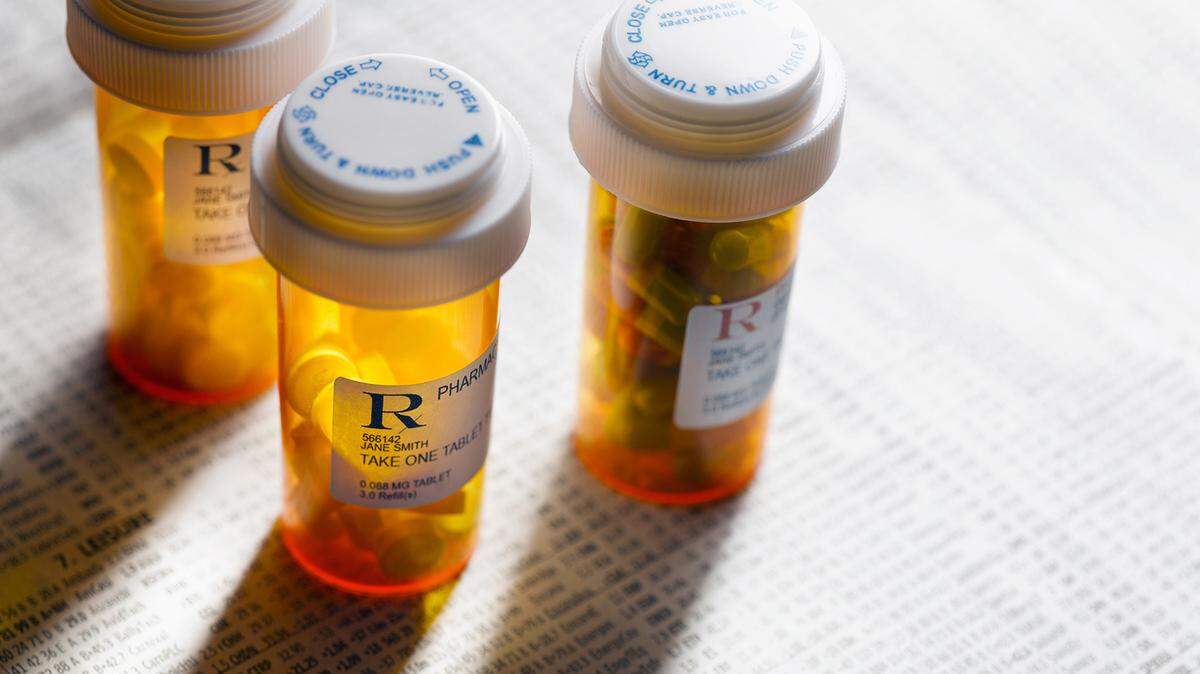
Suppose you didn’t have to spend more than $2,000 a year on your prescriptions?
Kaiser Family Foundation, a nonpartisan health care advocacy group, estimated that in 2019, there were 154 drugs where Medicare Part D recipients incurred average annual out-of-pocket costs of more than $2,000 for a single drug. In 108 cases, the average cost was more than $3,100.
About 1.2 million Americans would save money if the new limit was $2,000, which House Democrats have pushed. If it was $3,100, as has been discussed by Senate lawmakers, about 300,000 would benefit.
There’s growing consensus in Congress to make such drugs and others less expensive for seniors covered by Medicare Part D, which helps pay the cost of prescriptions.
But there are hangups. President Joe Biden’s big tax and spending package, which Democratic leaders are crafting now, also contains provisions that would allow Medicare to negotiate the price of prescriptions directly with drug makers, a plan that Democrats have pushed for years.
They argue that simply capping out-of-pocket expenses would wind up costing the government and consumers more money, since someone would be responsible for the rest of the cost.
“The power to negotiate drug prices lowers costs for everyone. Yes it’s for folks on Medicare but it’s for everyone else as well,” said Rep. Colin Allred, D-Texas, one of a handful of Democrats who was among a group of House members who met with President Joe Biden last week to discuss strategy.
Most Republicans and pharmaceutical interests are not enthusiastic about the negotiating proposal, maintaining it would stymie important research. That reluctance has for years choked efforts to pass drug reform legislation.
The cap involves a different concept, and it’s a decent bet to survive as the bill is negotiated.
Currently there is generally no cap on out-of-pocket spending by Part D recipients, though there is coverage for very high costs.
Lowering California drug costs
California is on a separate track in an effort to reduce drug prices.
Under legislation that went into effect January 1, the state could make its own insulin and other prescription drugs. It would not invent new drugs, but seek ways to make less expensive versions of generic drugs.
The bill has several goals, as it directs the state to seek ways to:
▪ Increase competition.
▪ Lower prices.
▪ Address shortages in the market for generic prescription drugs.
▪ Increase patient access to affordable drugs.”
“The goal of this bill is to help inject competition back into the generic drug marketplace by using California’s purchasing power to demand fairer prices for consumers,” said a description of the law.
The agency said this week it is “engaged in the process of identifying top drugs used by Californians, including prioritizing candidate drugs for generic manufacturing which may have the greatest impact.”
The agency plans a progress report to the Legislature by July 1, 2022.
Biden and Medicare
Democrats considered vulnerable in 2022 met last week with the president and came away confident they can pass a meaningful drug reform bill.
“Almost every member who was on that Zoom call mentioned Medicare negotiation as a top priority for them. The president seemed to get that loud and clear,” said Rep. Susan Wild, D-Pa., who attended the meeting. There was also support for a cap.
The White House said it clearly in its policy statement: “We have to fix this, and establish a firm cap on the amount that Medicare beneficiaries have to pay out-of-pocket for drugs each year.”
The reform effort, though, stalled in the Democratic-run House Energy and Commerce Committee last month, as three Democrats opposed the party’s plan. Among the concerns was a fear it would restrict research on drugs.
Rep. Scott Peters, D-San Diego, was among the dissenters. He said he’s all for lowering drug costs, but he said he wants to do so “while preserving the American innovation that brings us life-saving cures and treatments.”
At PhRMA, the drug manufacturers’ trade group, President Stephen Ubi last month wrote an open letter signed by executives of several drug-making companies.
It warned that policies “under the guise of ‘Medicare negotiation,’ would threaten patients’ access to medicine and sacrifice future medical advances.”
PhRMA has long said it’s eager to reduce the cost of prescription drugs, too, but is concerned that funding it badly needs to continue to innovate could evaporate. “Let’s work together to advance bipartisan solutions that lower out-of-pocket costs for patients at the pharmacy counter,” Ubi said, without jeopardizing future cures or advancements.
Republicans have also tended to oppose the proposed negotiation initiatives, suggesting other ways to help reduce drug costs.
President Donald Trump used executive orders to prod the government to seek lower costs, notably making it easier to import certain drugs. Nothing, though, was as sweeping as the Democratic plan.
The Democrats’ plan remains in the tax and spending package, since it was approved by the House Ways and Means Committee. Among the supporters is Rep. Doris Matsui, D-Sacramento.
She’s long been a supporter, noting that as she speaks to people about drug prices in her district, she said she too often hears about “the choices they are forced to make when facing high prices – rationing medications, choosing between groceries or prescriptions, or just going without.”
The argument, supporters say, is simple to understand and popular. Said Allred, “It’s the kind of thing people expect us to do.”
This story was originally published October 14, 2021 at 5:00 AM with the headline "Lower prices on prescription medications? Biden, Congress consider plan to cap costs."
.jpg)