
Companion planting can help create a healthy garden. Here’s what you need to know
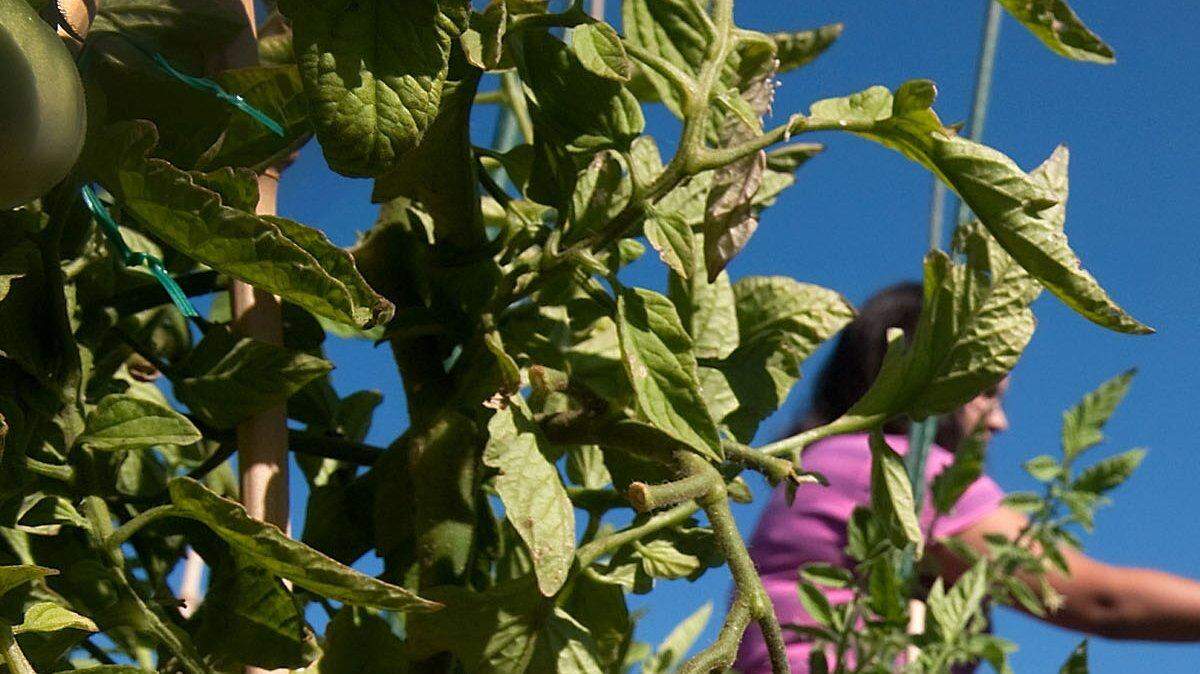
Companion planting is a time-honored practice of growing certain plants together in order to either create beneficial effects or to avoid creating non-beneficial or adverse effects. Beneficial plant combinations can repel pest insects, attract beneficial insects, disguise or mask the scent of vulnerable plants as well as provide shade, support and additional nutrients. Non-beneficial plant combinations can stunt growth. Some scientific research corroborates the anecdotal observations of generations of farmers and gardeners; some of the evidence of the benefits of companion planting are less-well supported by research.
Herbs and marigolds are the most commonly recommended companion plants for vegetables. The flowers of several vegetables are also recommended as attractants and host plants for beneficial insects.
Not all marigold species will repel nematodes, but heavy plantings of highly-scented marigolds can cover the smell of nearby crops. Many pest insects hunt by smell and the powerful fragrance of marigolds is thought to confuse or distract pest insects.
African marigolds (Tagetes erecta) and French marigolds (Tagetes patula) seem to deter nematodes as plantings throughout the growing season, but the most effective use for marigolds as nematode control is as green tillage or turning them into the soil in fall after harvest. It is thought that green tilling large amounts of African or French marigolds does reduce the nematode population for the next year’s crops.
Some guides to companion planting mention pot marigold (Calendula officianalis) as deterrent for tomato worms, beetles and general garden pests.
Oregano, tansy and marjoram may provide pest protection for members of the cucurbit family. Just be aware that these herbs are highly invasive and fast-growing, especially tansy. Plant them in pots among cucumbers, melons, pumpkins and squash and monitor the herbs’ root systems to prevent them from escaping into the vegetable patch and taking it over.
Dill and carrots are cool-season plants in our climate. Let a few carrots and dill plants set flowers in spring. Their umbrella-shaped flowers attract bees and other pollinators as well as many beneficial insects. To help attract hoplia beetles away from your light-colored or white roses and calla lilies, plant a patch of white cosmos nearby. The hoplia beetles will fly the short distance to the cosmos plants and devour their tender petals.
Beans and peas fix nitrogen into the soil. Planting them next to corn which needs a lot of nitrogen improves corn’s vigor. The corn stalks can also serve as supports for the vining beans and peas. But don’t plant garlic, shallots or onions next to beans or peas; they will stunt the beans’ and peas’ growth.
Tomatoes are nitrogen-sensitive and will produce more bush or vine than fruit if they receive too much nitrogen. Do not plant tomatoes in spots where beans or peas have been growing.
Companion planting is a fairly complex practice with many possible combinations. Searching the web for guides to “Companion Planting” turns up many good sources with detailed charts and cross references by research. Here are a few:
▪ burpee.com/gardenadvicecenter, Companion Planting
▪ almanac.com/content/companion-planting-guide, The Old Farmer’s Almanac Companion Planting Guide (tips, lists and more)
▪ motherearthnews.com/organic-gardening, An In-Depth Companion Planting Guide