
Want some variety in your tomato harvest? Here’s what to look for
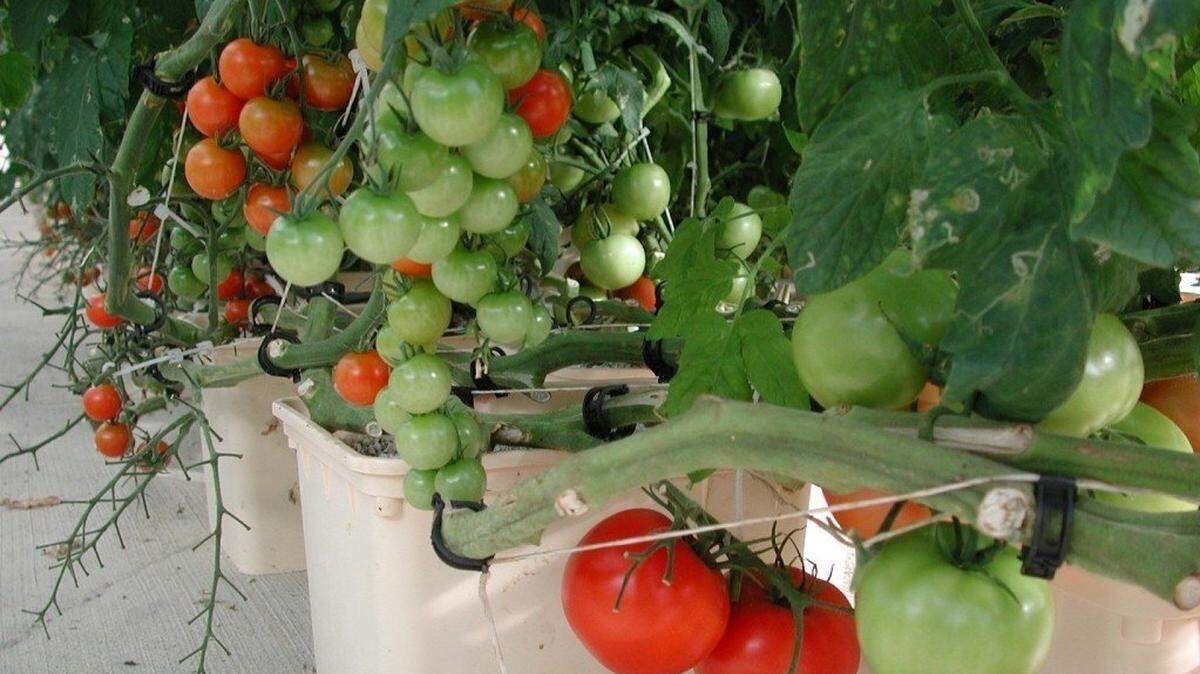
Only six to eight weeks until tomato planting time! Our tomato planting season begins in mid-March and ends in mid to late April when temperatures can become too warm for tender young plants to thrive. Tomatoes started from seed now will be ready for transplanting at just the right time, and there’ll even be enough time to allow for a week of “hardening up” or setting young transplants outside during the day to give them a chance to adjust to outdoor conditions before putting them into the garden.
Garden centers and local nurseries will be stocking tomato transplants in early March which is when the selection should be the best. But starting your own tomato transplants from seed guarantees that you’ll be able to grow your favorite varieties as well as one or two hard-to-find, new or experimental types. I’ll be starting seeds this year for small or container-sized tomatoes suitable for hanging planting boxes we’re attaching to the south face of the garage in our new home – the only spot in our shady garden that receives the necessary six hours of sun daily.
There are several important terms to look for on labels when choosing tomato seeds or transplants. Tomatoes are identified as either determinate or bush types or as indeterminate or vine types. Determinate types reach full size and then stop growing and producing fruit; indeterminate varieties will continue to grow and produce fruit until cool fall weather stops them.
“Days to maturity” should also be included on the label. In order to ensure a constant crop of ripe tomatoes during the growing season, plan on planting both early and later ripening types as well as determinate and indeterminate varieties, if possible.
The long list of capital letters you’ll see on seed packet and transplant labels indicate the plant’s resistance to a number of diseases as well as nematodes. Most tomatoes have been hybridized to be resistant to the fungal diseases verticillium wilt (V) and fusarium wilt (F) and to nematodes (N), microscopic soil-dwelling worms that invade plant root systems. All three tomato problems are common in the Central Valley. If you are a smoker, you’ll also want to search for tomatoes resistant to tobacco mosaic virus (TM) which can be transmitted to plants from a gardener’s nicotine-stained fingers.
In order for seeds to germinate, even if grown on a sunny window sill, they need additional light during early spring. Light stands that include full spectrum florescent bulbs can be purchased at many garden centers or nurseries or from online gardening or seed catalogs such as gardeners.com, burpee.com and GardensAlive.com. The stand can be adjusted so that the light is always 6 to 8 inches above the seedlings. Full spectrum grow bulbs that can be inserted into any lamp are available at most hardware stores.
Germination is faster and seedlings are less susceptible to damp off, a fungal disease that kills emerging seedlings, if seeds are grown with an additional heat source. Electric grow or heat mats will warm the sterilized seed starter soil mix to 10 to 20 degrees above the ambient room (or garage) temperature.
Light stands and heat mats aren’t essential for success. Growing a few tomatoes on a sunny window sill and watching for the first leaves to appear will still give tomato growing enthusiasts great pleasure.