
Shake off winter doldrums by prepping for leafy greens and vegetables
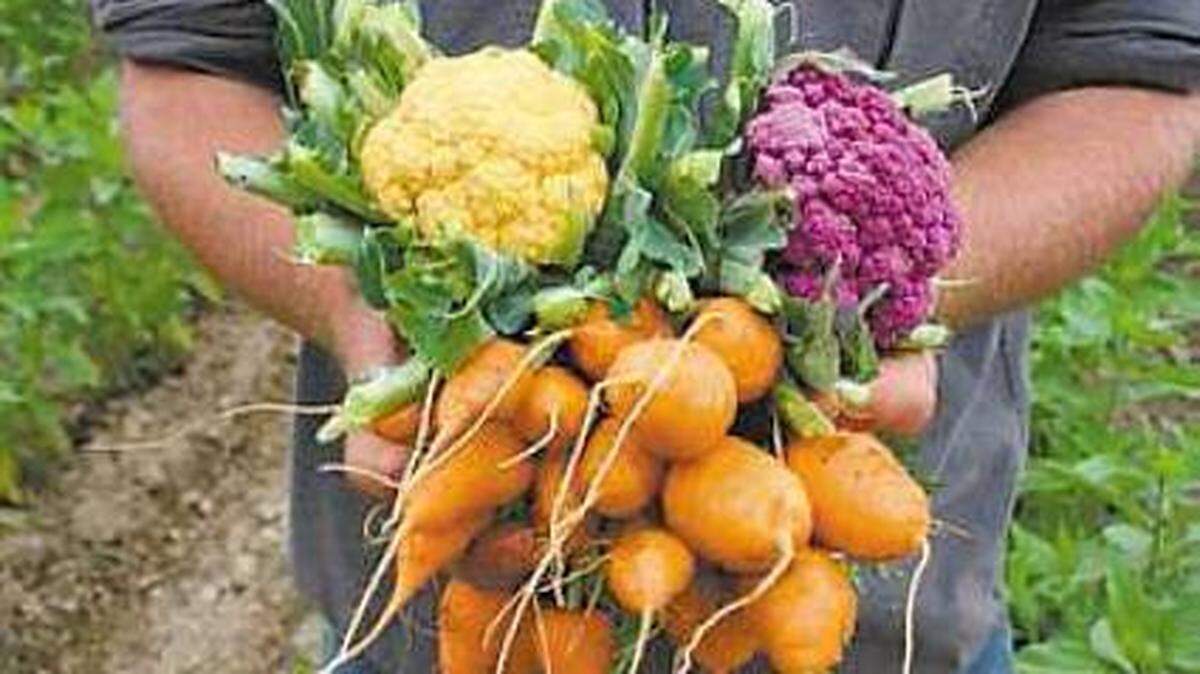
Soil temperatures at the end of the month will rise to around 55 degrees here in the Central Valley. That rise in soil temperature signals the end of our short winter and the beginning of our second cool-weather planting season. Our first cool weather-planting season began in October; seedlings and transplants of cool-season crops and flowers planted in fall will be soon regaining vigor in late January’s warmer temperatures. Our average annual last frost date is Feb. 15, but frosty nights have been known to occur in early March. Keep row covers, water walls, and cloches at hand to cover seedlings and transplants when temperatures are predicted to drop to below 32 degrees .
This week, prepare the soil for planting by turning a 2- to 3-inch layer of compost or humus into your planting beds. Allow the amended soil to settle for a couple of weeks before putting in transplants or seeds of cool-season crops including leafy greens, kale, broccoli, fava beans, peas and root vegetables such as carrots, radishes, beets and turnips. Seeds and transplants need light, fluffy, well-draining soil full of beneficial microorganisms and fungi to encourage fast and deep root development. Monitor soil moisture often. Turn off irrigation systems when it’s raining and only irrigate new plants when the top of the soil has slightly dried.
It’s a little surprising that seeds of cool-season crops will germinate at fairly low temperatures. Spinach, lettuce, onion and parsnip seeds will germinate when soil temperatures are a minimum of 40 degrees. Peas, other root vegetables and members of the brassicae family (broccoli, cauliflower, kale and cabbage) will sprout when soil temperatures are around 50 degrees minimum, but optimal soil temperatures for germination of most cool-season seeds are 65 to 80 degrees.
Sweet peas can be planted from seed later this month (they germinate well in slightly cooler temperatures) and transplants of spring-blooming annuals including pansies and snapdragons set out in late January or early February will develop larger, stronger root systems that will help them tolerate or survive a warm spell in March or early April.
Seeds and transplants of cool-season vegetables and flowers will thrive only until the first warm spell. We can expect a warm spell or two in April and the first really hot spell in early May. When choosing seeds and transplants of cool-season plants, look for “days to maturity” on the label. In checking the Burpee seed catalog, you’ll see broccoli varieties with dates to maturity that vary from 55 to 74 days. The best choice for our brief planting season would be the variety that will be ready to eat in 55 days.
Shallow terra cotta pots or “salad bowls” are a great way to have leafy greens available for most of the year. Chard, spinach, arugula (especially arugula) and all types of leaf lettuce sprout quickly in fall and spring and can be picked leaf by leaf for sandwiches and salads for many months. In late spring, the shallow pots can be moved into spots that get shade in the afternoon to prolong their season. Micro green and sprouts growing kits that can fit onto a sunny interior windowsill are another good way have fresh greens everyday.