
Get spring-blooming blubs ready for planting
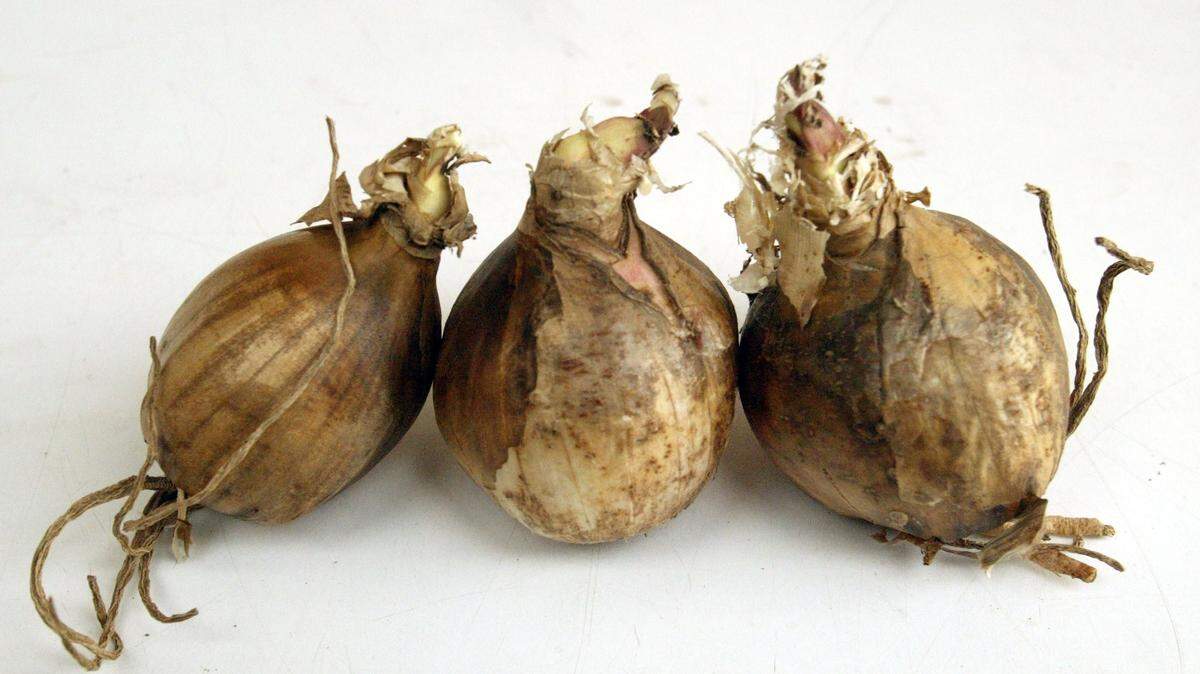
Forcing spring-blooming bulbs into flowering just in time for the winter holidays is easy. Well, the process is easy but finding cool-enough indoor temperatures for best results can be difficult.
Bulb growers, nurseries and garden centers offer specially hybridized versions of several types of spring-blooming bulbs for forcing. These bulbs are larger than ordinary types, also called “top-size.” You’ll get the best results with narcissus (also referred to as paperwhites), hyacinths and amaryllis. Tulips are often sold for forcing, but in our mild fall and winter climate, the results are often disappointing. I’ve also had good results with forcing lily-of-the-valley “pips.” Hyacinths, amaryllis and lilies-of-the-valley are often sold in kits that include forcing vases made of pretty glass or pottery or in gift boxes.
It can take four to six weeks for paperwhites to bloom and eight to 12 weeks for larger-sized amaryllis to flower. Plan accordingly if you anticipate giving forced bulbs as presents or decorating your home with them during the holiday season.
The first step in forcing bulbs is the hardest: finding a dry, dark spot in the shed, garage or unheated spare room where the temperature consistently remains around 50 degrees.
Any sturdy decorative shallow bowl or pot will do for forcing bulbs. Larger bulbs will need a deeper pot. The pot should be deep enough to allow for an inch of pebbles or seed-starting potting soil below the bulbs and a half-inch of space below the rim. The pot should be wide enough so that bulbs can be placed into it without touching one another or the edge of the pot. Choose pots without a drain hole or plug up any existing drain hole; you don’t want water leaking onto your dining room table.
Place an inch of pebbles or slightly moist potting medium into the bottom of the pot, then gently stand the bulbs, flat side down, into the pebbles or soil, separating them from one another and the edge of the pot. Cover the bulbs with pebbles or soil, leaving the top half-inch of the bulb tips above soil level and lightly firm the soil. Then moisten the soil or top the pebbles with water.
Put the pot into a black plastic bag to ensure total darkness and place the bag in the coolest spot you’ve found. Forced bulbs that were kept too warm can fail to develop flowers or can develop deformed, lopsided flowers.
Check every few days to make sure the soil or pebbles are still moist and to see if leaf tips have sprouted. When the leaf tips are 1 to 2 inches high, take the pot out of the bag and move it to a shady spot in a cool, indoor room. After a couple of weeks, flower buds will develop and the pot can be moved into a warmer spot (65 to 70 degrees) with bright, indirect light, away from heat sources and drafts. Too much light or heat will shorten the display time.
After flowering has finished, cut off spent blooms and put the pot outside. Keep the bulbs watered until the foliage has browned, then dig up and store the bulbs until planting them into the garden next fall.