
Planning ahead: It’s time to plant spring-blooming bulbs
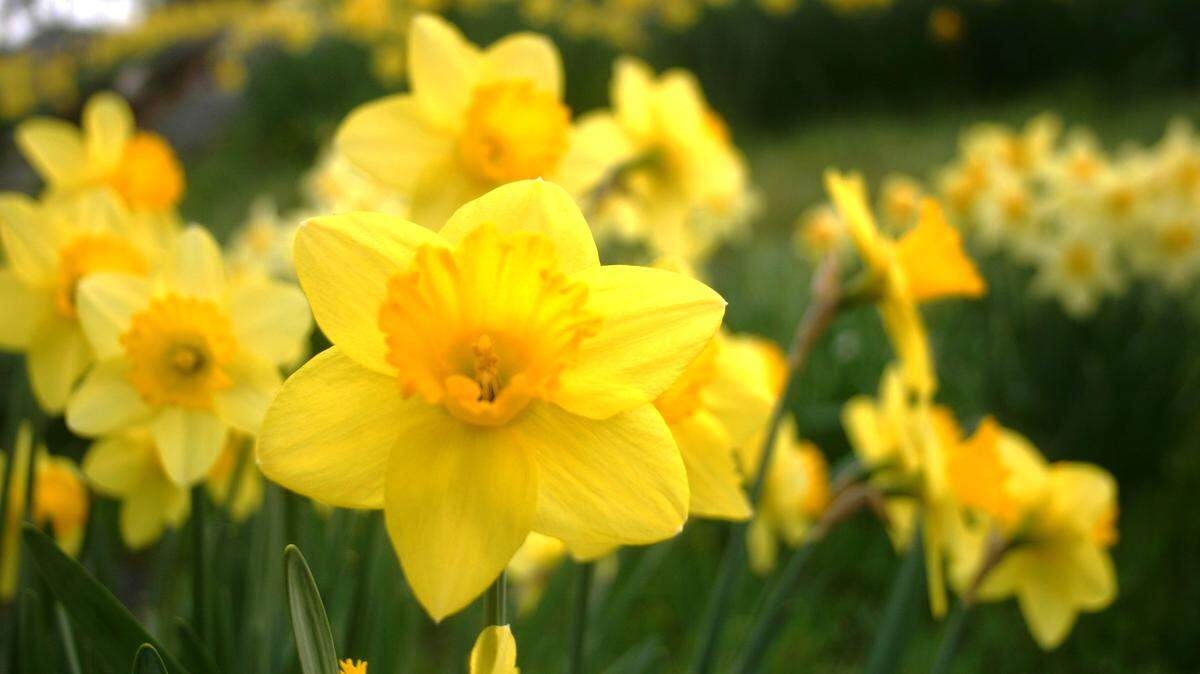
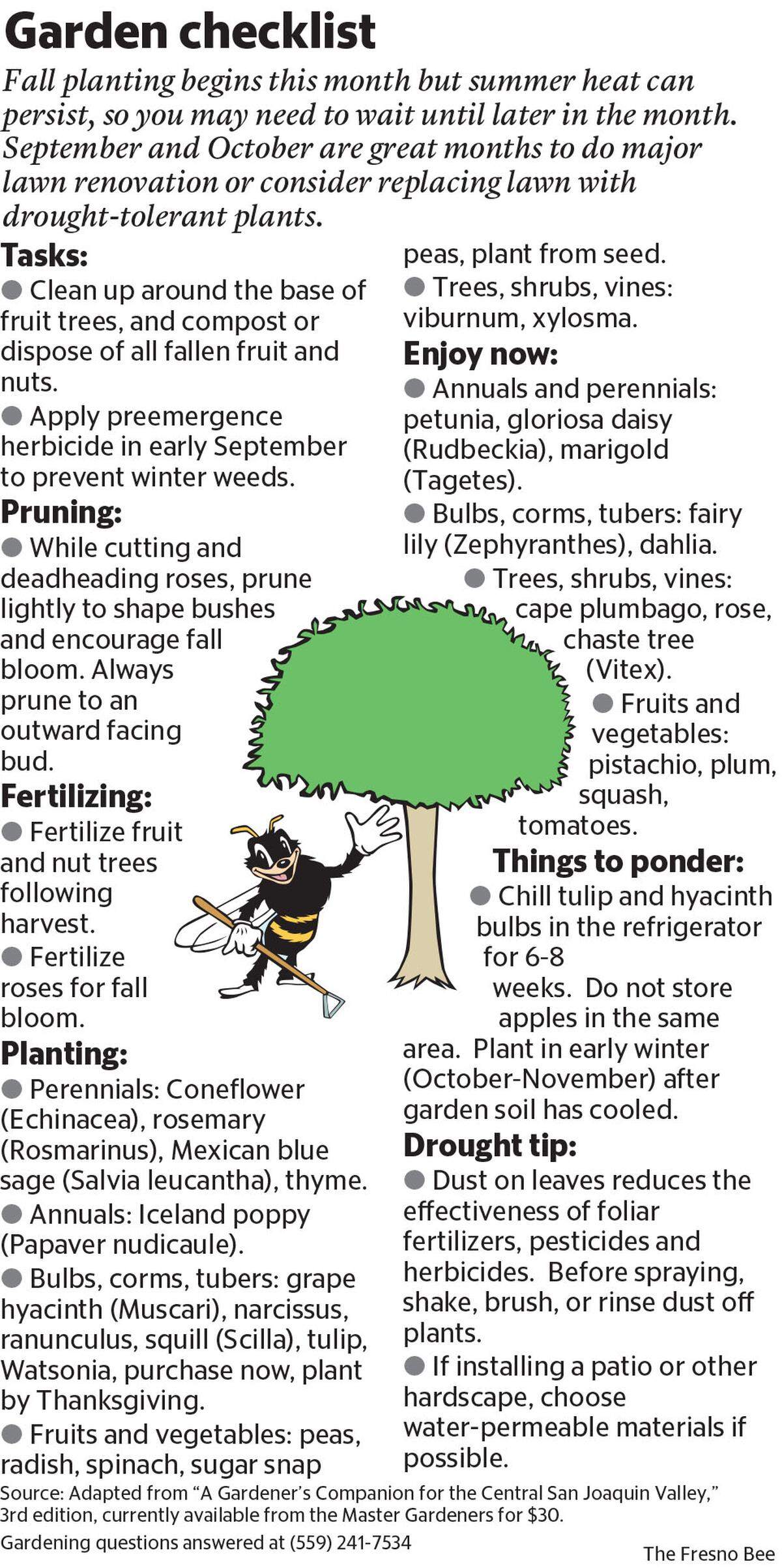
The central San Joaquin Valley climate with long, dry summers and short, warm winters is not ideal for many commonly grown spring-blooming bulbs. We can’t do much about the first hot spell in April that fries the flowers, but we can mimic the colder fall temperatures that encourage good bloom and repeated bloom in other planting zones by placing the bulbs in the refrigerator for six to eight weeks after buying them. That’s why Valley gardeners follow the adage, “Buy bulbs after Labor Day and plant before Thanksgiving”.
Finding bulbs that tolerate warmer temperatures or that are drought-tolerant is becoming more difficult. Local nurseries are the best sources for bulbs that are better suited to our climate, but nurseries are in price competition with big box stores that can sell bags of 100 daffodil bulbs for a much lower price. Check your local nursery first and then also check online bulb catalogs. I’ve listed three bulb shippers below that I’ve ordered from with good results.
Daffodils and narcissus do fairly well in our climate, but tulips, hyacinths and crocus don’t make it through very many hot summers; the Darwin species tulips do best. All three must be pre-chilled before planting. Bulbs can be lifted for summer storage in a cool dry space, but we don’t have many cool spots in summer here.
Sparaxis, brodiaea, ixia and ipheion are all good choices for low-water or drought-tolerant gardens. Brodiaea is a California native. Lecojum and grape hyacinth need a little more water but tolerate heat well. All naturalize or spread slowly.
If you are splurging on gorgeous tulips or other cooler-season bulbs, consider planting them in pots. Bulbs can be layered in pots with the larger bulbs in the bottom layer and the smaller bulbs in the top layer. Planting bulbs in good-quality potting soil also eliminates dealing with our less-than-ideal soil. The heavy clay or sandy soils that are prevalent here in the Valley must be amended. Bulbs last longer and bloom better in rich, well-draining soils.
Bulbs need extra calcium. Pick up a box of bone meal or bulb food when you buy bulbs. (The extra calcium is also good for tomatoes and helps prevent blossom end rot.) Place a tablespoon of bone meal or bulb food in the bottom of each hole at planting time and sprinkle another tablespoon over the leaf tips of each bulb when they first poke through the soil in early spring. After deadheading spent flowers in spring, sprinkle more bone meal or bulb food over the planting bed.
Bulbs should be planted at a depth of three times the length of the bulbs, so a 2-inch daffodil bulb should be planted 6 inches deep. Tulips benefit from deeper planting in our climate. Plant tulips 9 inches deep to keep them cooler in summer. Use old chopsticks or bamboo stakes to mark planting spots so that you don’t step on the newly-sprouting leaf tips.
Keep the soil over bulbs consistently moist until winter rains arrive.
Online bulb sources – John Scheepers at www.johnscheepers.com; Annie’s Annuals at www.anniesannuals.com; or Van Engelen bulbs at www.vanengelen.com.