
Measure C, Fresno County’s $7 billion transportation sales tax, explained
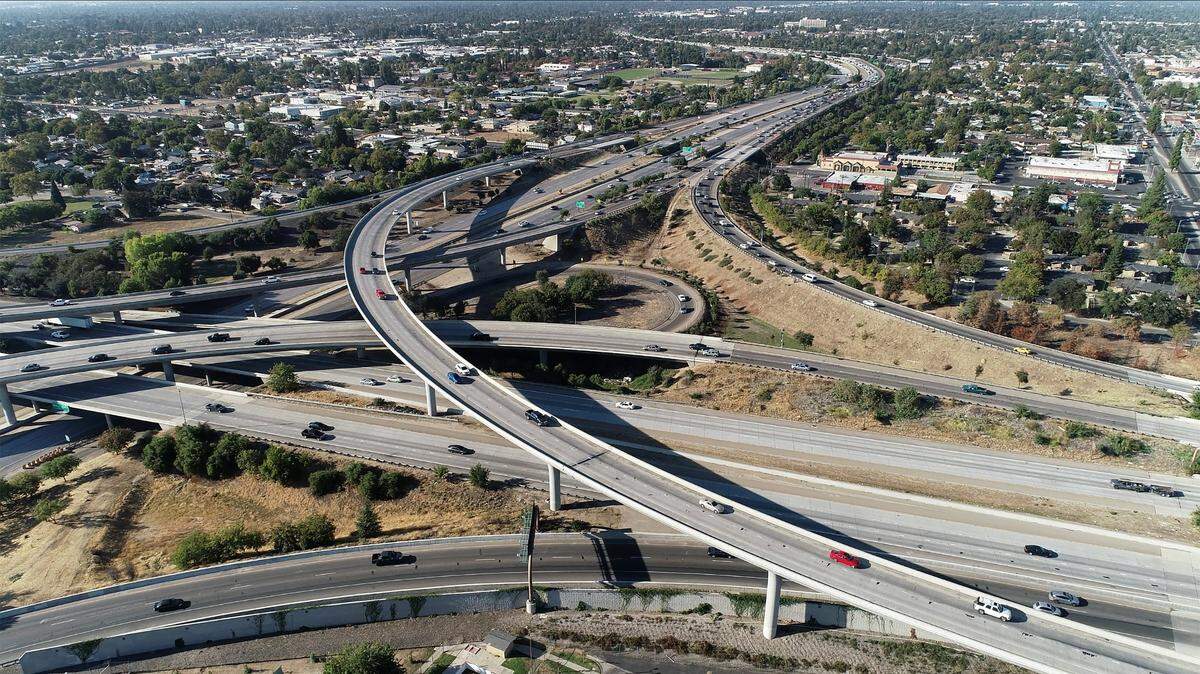
This November, Fresno County voters will decide whether to approve the most important spending plan in local history: Measure C’s road-focused, $7 billion transportation sales tax renewal.
The main features of the spending plan – $3.5 billion for road repairs, a 40% reduction in public transit’s share of Measure C revenues, and a 1% share for pedestrian and bike trails – will lock in the future of Fresno’s County’s transportation infrastructure for decades to come if it can garner support from more than 66% of voters this fall.
Local leaders are split on whether to approve the spending plan. On the one hand, Fresno Mayor Jerry Dyer’s administration, the building trades, the farm bureau and the county chamber of commerce support the spending plan.
On the other side, in a rare bipartisan consensus, both the local Democratic and Republican parties oppose the Measure C renewal this fall. The city’s leading community-based organizations, the Fresno Teachers Association, former Fresno mayor Ashley Swearengin and a section of the local building trades unions also oppose the spending plan.