This Fresno musician’s legacy rooted in Latino activism. ‘We all need love’
AI-generated summary reviewed by our newsroom.
- Agustín Lira used music and theater for over 60 years to fight social injustice.
- Lira co-founded El Teatro Campesino in 1965 during the Delano Grape Strike and influenced the Chicano Movement.
- He continues to teach and create politically charged songs addressing immigration.
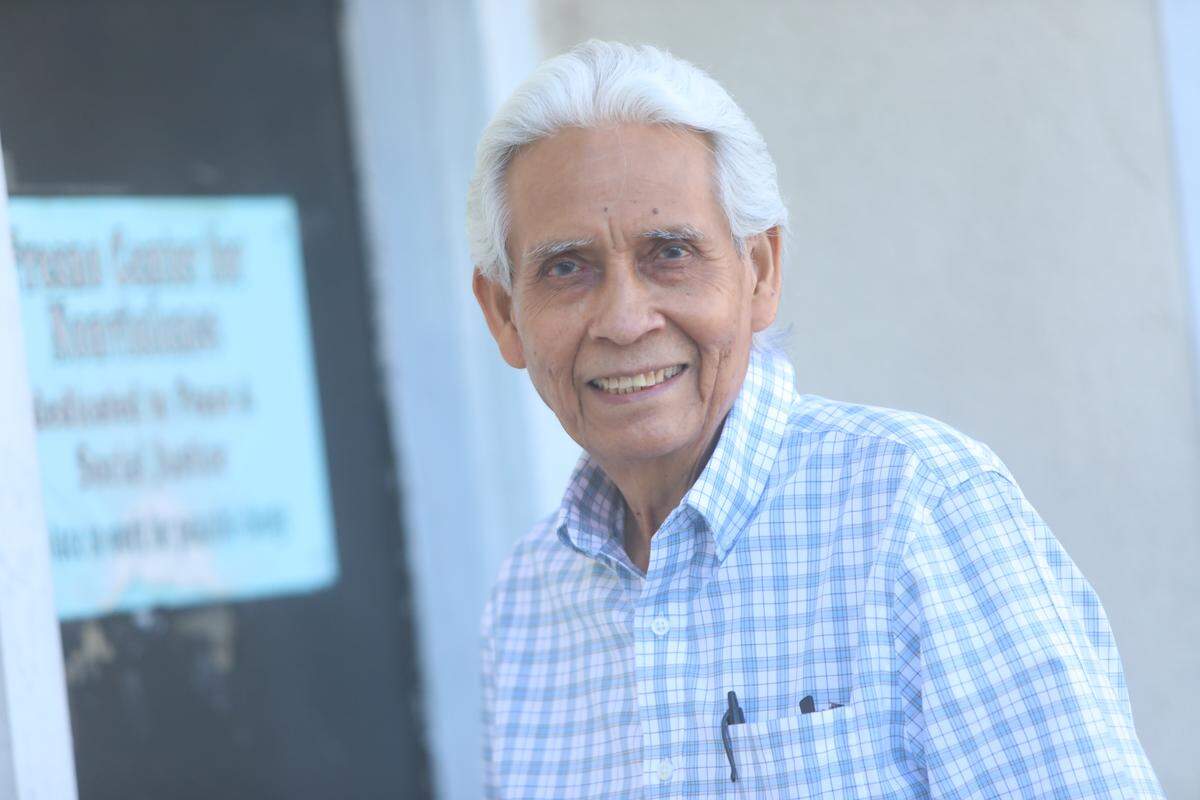
For more than 60 years, Agustín Lira, has used his passion for music and theater to address social issues, particularly the struggles of people of color in the United States.
The 80-year-old musician and activist, who was inducted to the Valley Music Hall of Fame in September, shows no signs of slowing down.
“I can’t be quiet, because I see what’s happening throughout the country and in the world,” said Lira. “We have a lot of problems in this county. So, I use music and theater to speak out, to say what’s on my mind and to describe the world that I want. We can have a better world.”
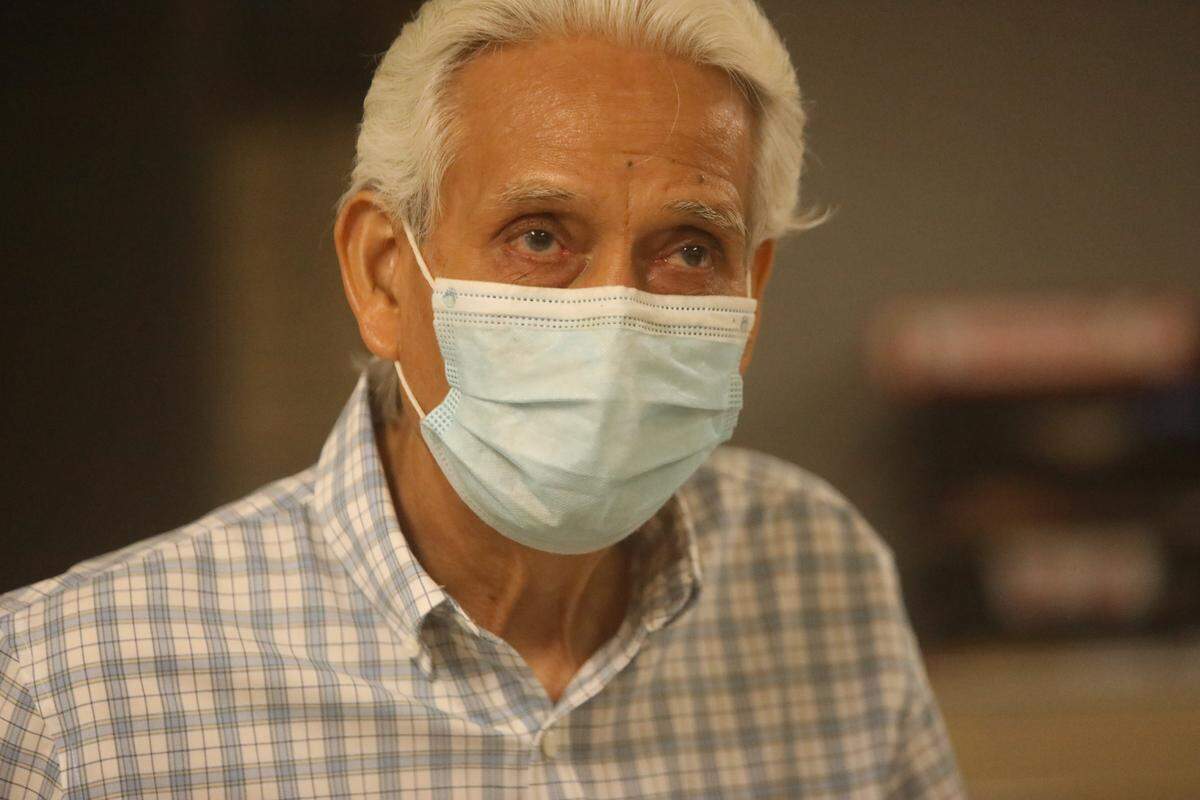
Lira was born in Torreón, Coahuila, México in 1945 after his parents, who were U.S. citizens, were deported during the Mexican Repatriation period in the 1930s. Lira criticized the the Trump administration’s deportation crackdown and the tactics used by the federal government.
“Having the immigration knock or not knock, pull you out of your car, break the window, whatever, these are horrible times for people of color,” said Lira. “The reason that I write music is because we need to tell the truth, because it’s lies that have gotten to us to this point.”
His experiences with racism, discrimination, homeless and his parents’ deportation have inspired Lira’s activism and songwriting.
“That’s part of the reason why I write songs. I want to talk about the circumstances, the things that affect our lives,” Lira said. “Like what’s happening now, (immigrant communities) being torn apart.”
His voice broke as he talked about Francisco Lara, a father figure who cared for Lira and his mother’s children while they lived in a labor camp in Laton. Two immigration officers allowed his younger brother to go up to see Lara before they took him.
Lira never saw Lara again and wonders what happened to him.
“He loved my mother, and that love extended to us. I never felt that again from anybody else, that kind of love, and I didn’t need it anymore. I was growing,” Lira said.
Documenting history through music
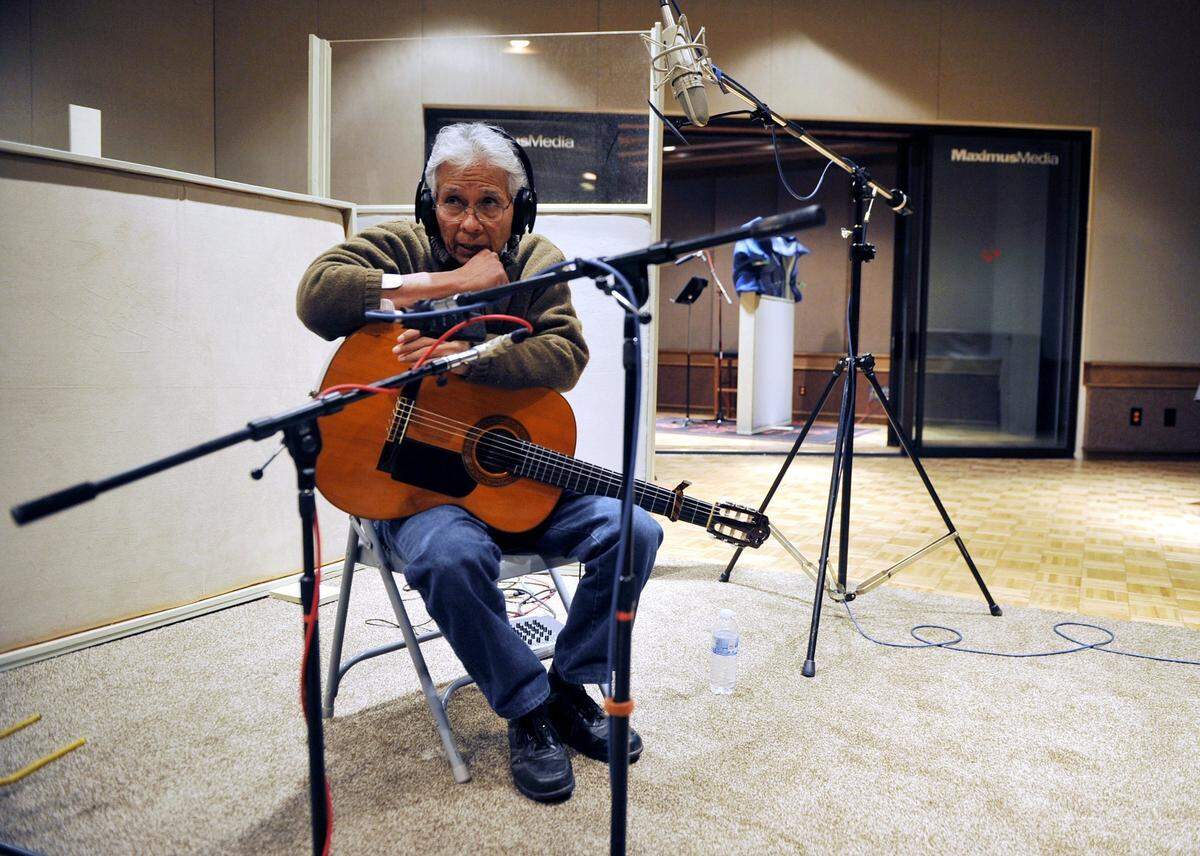
Lira, who now lives in Fresno, teaches music to a new generation of young people and continues to write songs and plays.
The folkloric singer-songwriter and actor recently produced two songs that criticize current problems in the world.
“One is called “The Cage,” and it’s about the unjust, illegal, brutal, mass deportations taking place throughout the country right now. It tells of the human struggle for dignity, justice and the desire for freedom,” Lira said.
He also wrote a song, “Don’t come to Fresno if you are homeless,” that talks about the conditions experienced by those who are homeless in the city, something he had experienced firsthand at one point in his life.
But he didn’t get to where he is now alone.
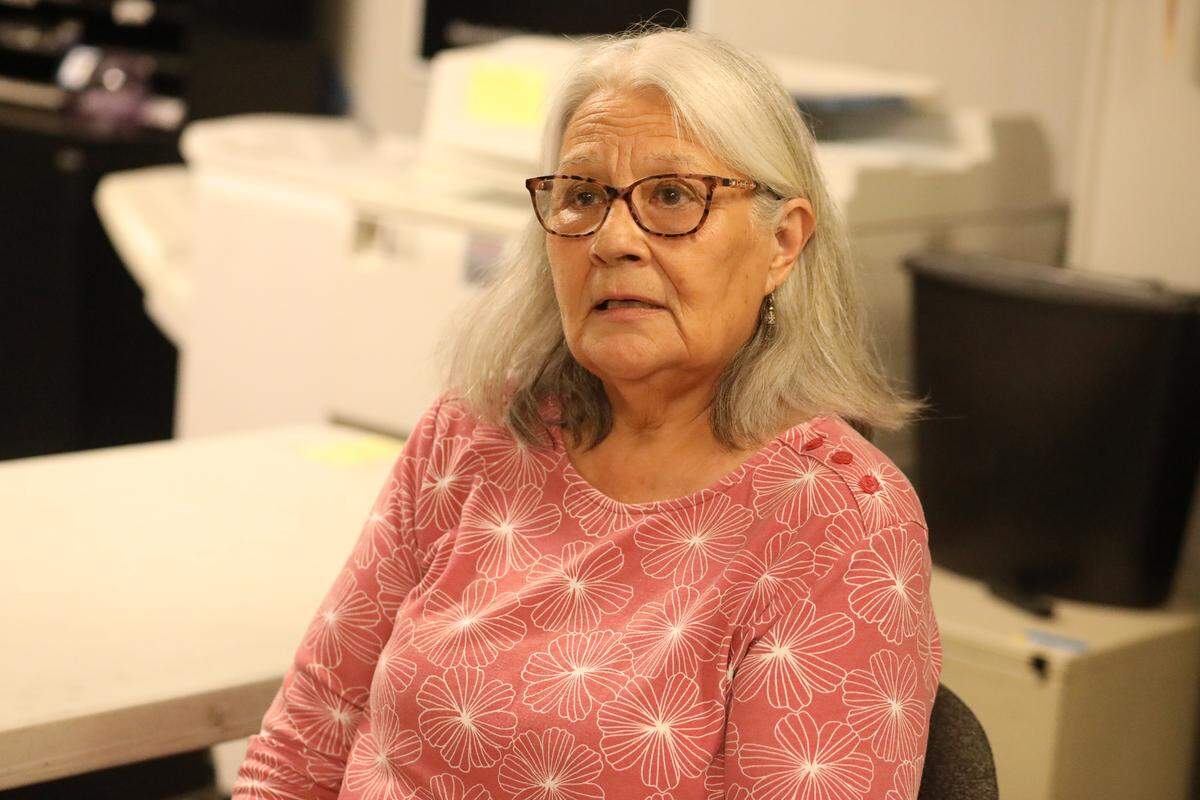
Lira said along with his longtime partner Patricia Wells Solorzano, they have been organizing for over 45 years, promoting community theater and music, a work that continues to leave an impact not only in Fresno but across the country in different states.
“We work together training community members, kids to older folks, having theatrical presentations,” Lira said.
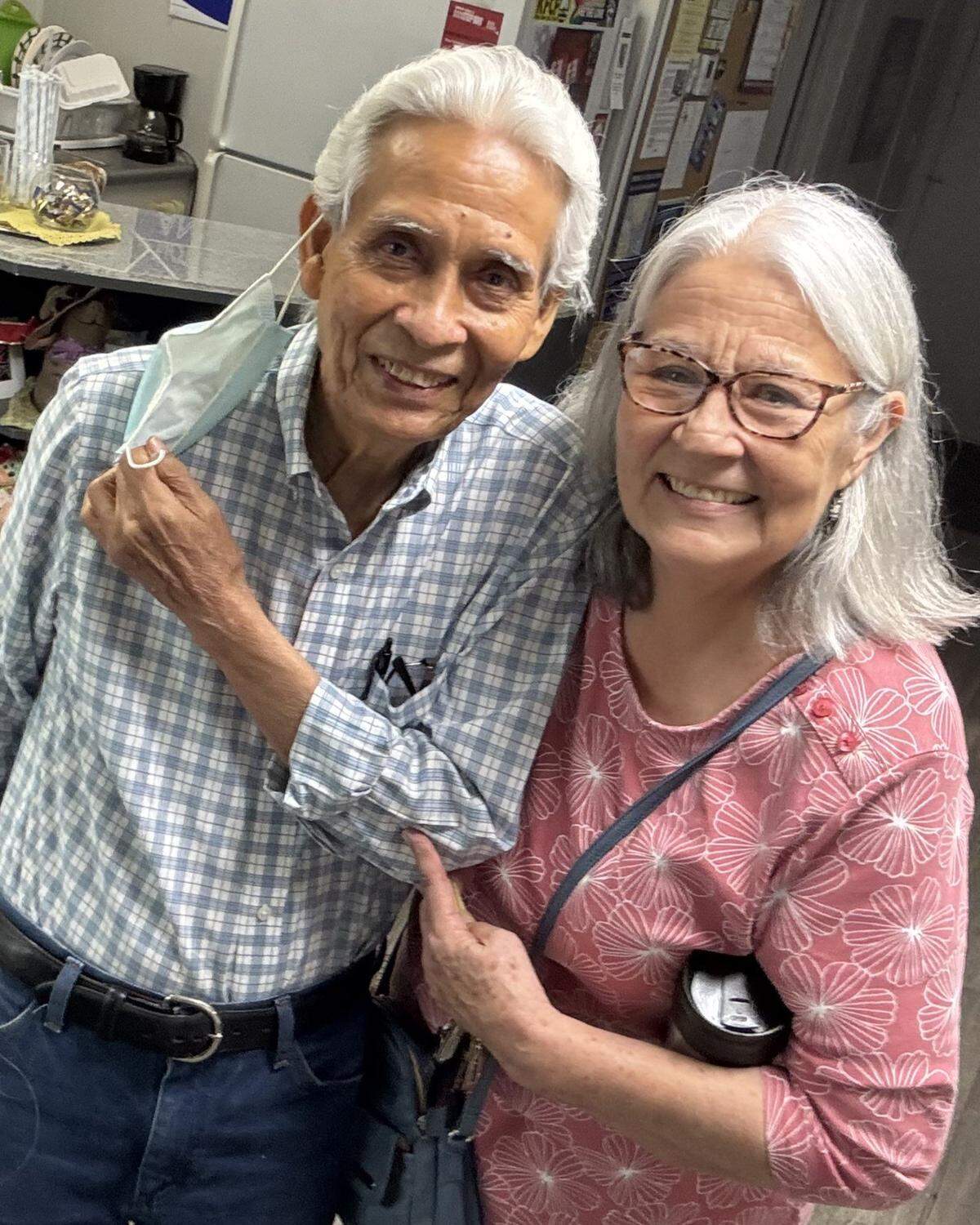
While Lira has been recognized nationwide for his work, being inducted to the Valley Music Hall of Fame was “way overdue,” said Solorzano.
Solorzano said Lira’s music “document in a way our history and our being here in Fresno, in the San Joaquin Valley.”
For Lira, Fresno has always been important to him, spending a lot of time in the area since he was young.
His family worked in the fields after immigrated to the United State in 1952 following the crops up and down the San Joaquin Valley before settling in Selma. He became homeless after his mother who was 39 died the same year he graduated from high school.
Lira was just 19 years old when he confounded “El Teatro Campesino” with Luis Valdez during the Delano Grape Strike of 1965 headed by Cesar Chavez. They created songs and plays, that were performed on picket lines, at rallies and toured throughout the United States as part of the Farmworkers movement.
“We became famous because we were fighting for farm workers,” Lira said of his work at Teatro Campesino. “Every night that Teatro Campesino performed, I sang songs about Delano, and one of the songs that I wrote was “La Peregrinación” which was the song that we sang every night, and I got an opportunity to sing it at the Sacramento steps.”
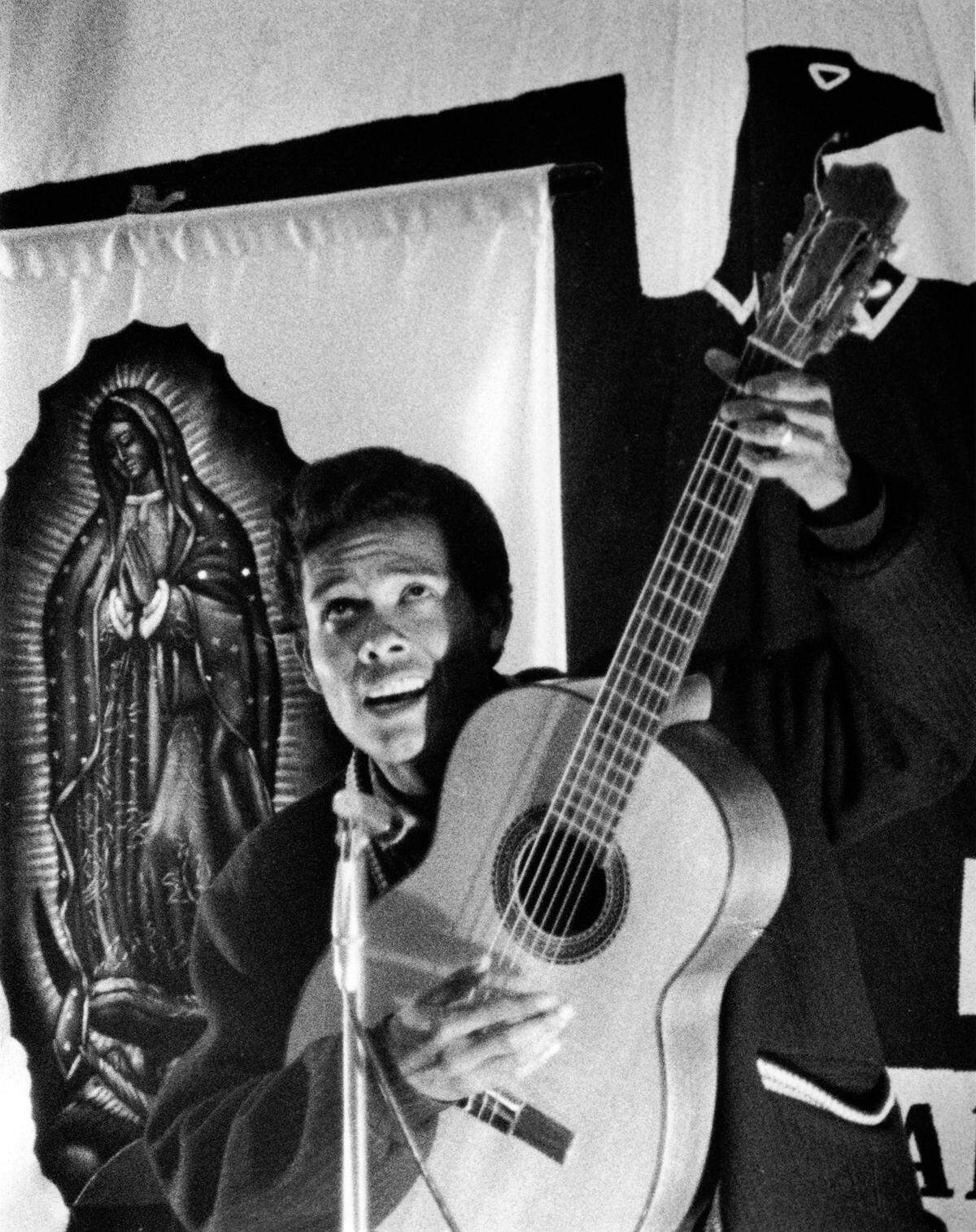
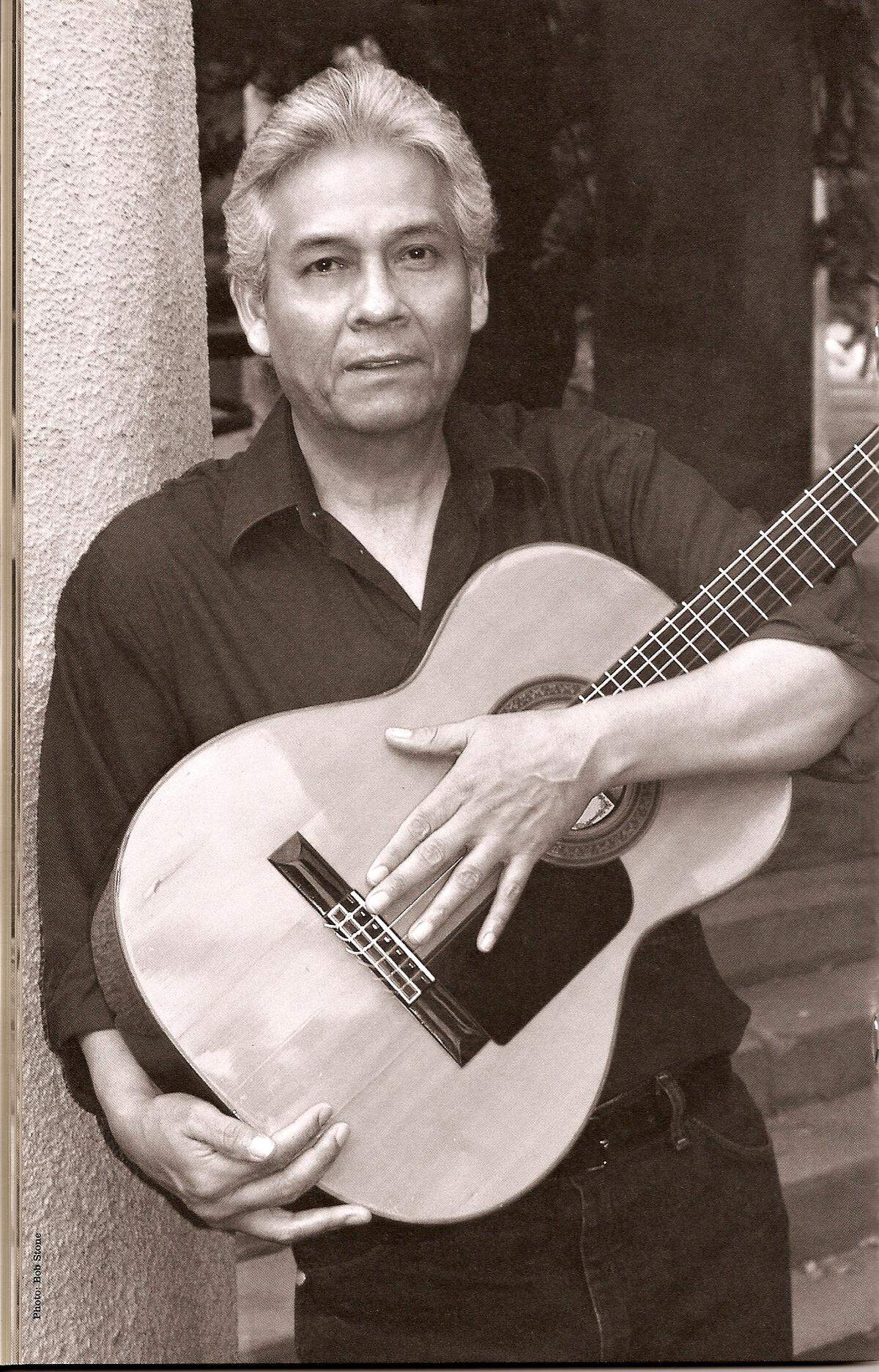
He is considered one of the cultural pioneers of the Chicano Movement music style.
Lira has also been recognized with the Horizon Award (2010) by the Fresno Arts Council; Hispanic American Portraits of Success Award 2008 from KSEE Channel 24; the California Latino Legislative Caucus Award, 2007; Local Hero Award, 2006 from Valley Public Television, Channel 18 and Union Bank.
“We need love. We don’t need hate,” Lira said.